Why do dump trucks lift so high so easily? The answer often involves a tipping cylinder. Telescopic cylinders enable long lifting strokes. But they also introduce design challenges. What are the disadvantages of telescopic cylinders? In this article, you will learn the limits, risks, and best uses of tipping cylinder systems.
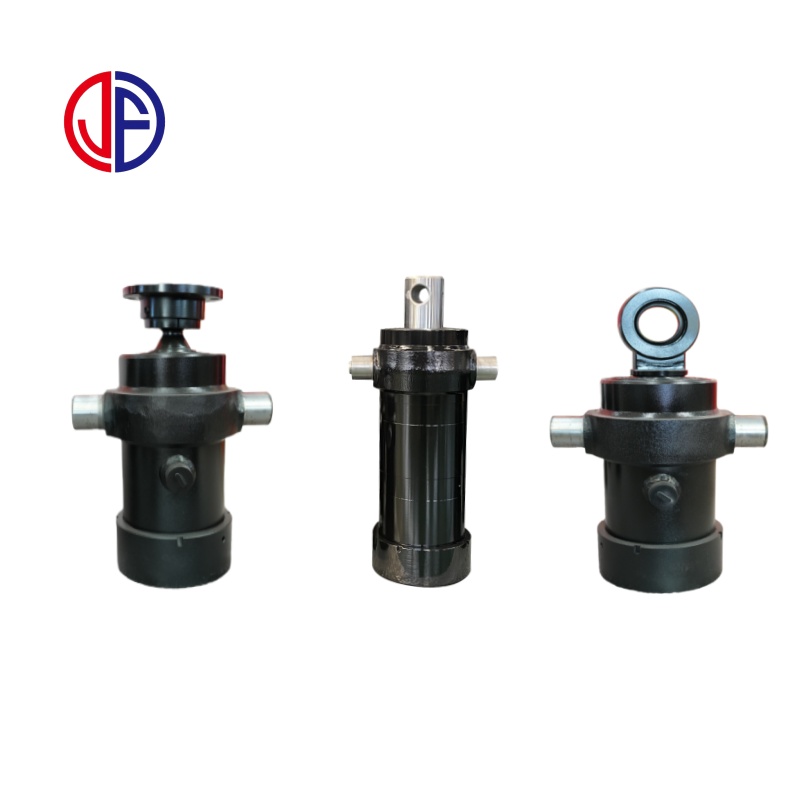
Understanding Telescopic Cylinders and Their Role in Tipping Cylinder Systems
What Is a Telescopic Cylinder in Hydraulic Engineering
A telescopic cylinder is a multi-stage hydraulic actuator designed to provide long extension distances within a compact installation length. Unlike conventional hydraulic cylinders that use a single piston rod, telescopic cylinders contain several nested tubes called stages, each with progressively smaller diameters. When hydraulic pressure enters the cylinder, these stages extend sequentially until the cylinder reaches its maximum stroke length.
The design allows the cylinder to extend several times its collapsed length, making it ideal for applications where space is limited but long lifting movement is required. Because of this feature, telescopic cylinders are widely used in mobile hydraulic machinery such as dump trucks and heavy transport vehicles.
Typical components of a telescopic hydraulic cylinder include:
● Base cylinder housing
● Multiple piston stages
● Hydraulic oil ports
● High-pressure sealing systems
● Hardened piston rods
Each stage moves outward during extension, creating the long stroke needed for lifting or tipping operations.
Why Telescopic Cylinders Are Common in Tipping Cylinder Applications
Dump trucks and other transport vehicles often require large tipping angles in order to unload materials quickly and completely. Achieving such angles requires a long lifting stroke, but trucks typically have limited space under the chassis where hydraulic cylinders can be installed.
Telescopic cylinders solve this problem because they collapse into a short length when retracted but extend dramatically during operation. This design makes them highly suitable for tipping cylinder systems in trucks and trailers.
Common equipment using telescopic tipping cylinders includes:
● Dump trucks
● Mining haul trucks
● Agricultural grain trailers
● Waste management trucks
● Industrial lifting platforms
These machines rely on telescopic cylinders to unload materials efficiently and safely.
How Telescopic Cylinder Stages Extend During Operation
Telescopic cylinders operate through hydraulic pressure applied sequentially to each stage. When pressurized oil enters the cylinder, the smallest stage begins to extend first. As pressure continues to build, the next stage extends, followed by the remaining stages in sequence.
The extension process typically follows these steps:
1. Hydraulic pump delivers pressurized fluid to the cylinder.
2. First piston stage begins extension.
3. Pressure increases inside the cylinder chamber.
4. Additional stages extend sequentially.
5. Cylinder reaches full stroke and lifts the load.
The cylinder retracts when hydraulic pressure is reduced or reversed.
Typical Equipment Using Telescopic Tipping Cylinder Designs
Telescopic cylinders are most commonly used in equipment that requires both long lifting movement and compact storage length. These applications often involve heavy loads and repetitive lifting operations.
Examples include dump trucks unloading construction materials, mining trucks transporting ore, and agricultural trailers discharging grain during harvest operations.
Prompt: Always verify the required tipping angle before selecting cylinder stroke length.
What are the disadvantages of telescopic cylinders?
While telescopic cylinders provide significant advantages in long-stroke applications, their design introduces several limitations that engineers must consider during equipment design and maintenance planning.
Complex Multi-Stage Structure
The most notable disadvantage of telescopic cylinders is their complex internal structure. Unlike single-stage cylinders, telescopic cylinders contain multiple nested tubes and piston stages that must move smoothly during extension and retraction.
Manufacturing these components requires precise machining and alignment to ensure reliable performance. The complexity increases production costs and may complicate repairs when internal components fail.
Higher Maintenance Requirements
Because telescopic cylinders contain several moving components, they require more maintenance compared with conventional hydraulic cylinders. Each stage contains seals, bearings, and sliding surfaces that experience wear during operation.
As the number of stages increases, so does the number of potential wear points within the system.
Increased Risk of Hydraulic Leakage
Every stage of a telescopic cylinder requires sealing to prevent hydraulic fluid leakage. These seals operate under high pressure and repeated motion cycles, making them vulnerable to wear and failure.
Leakage can reduce hydraulic pressure, decrease lifting capacity, and cause environmental contamination if fluid escapes the system.
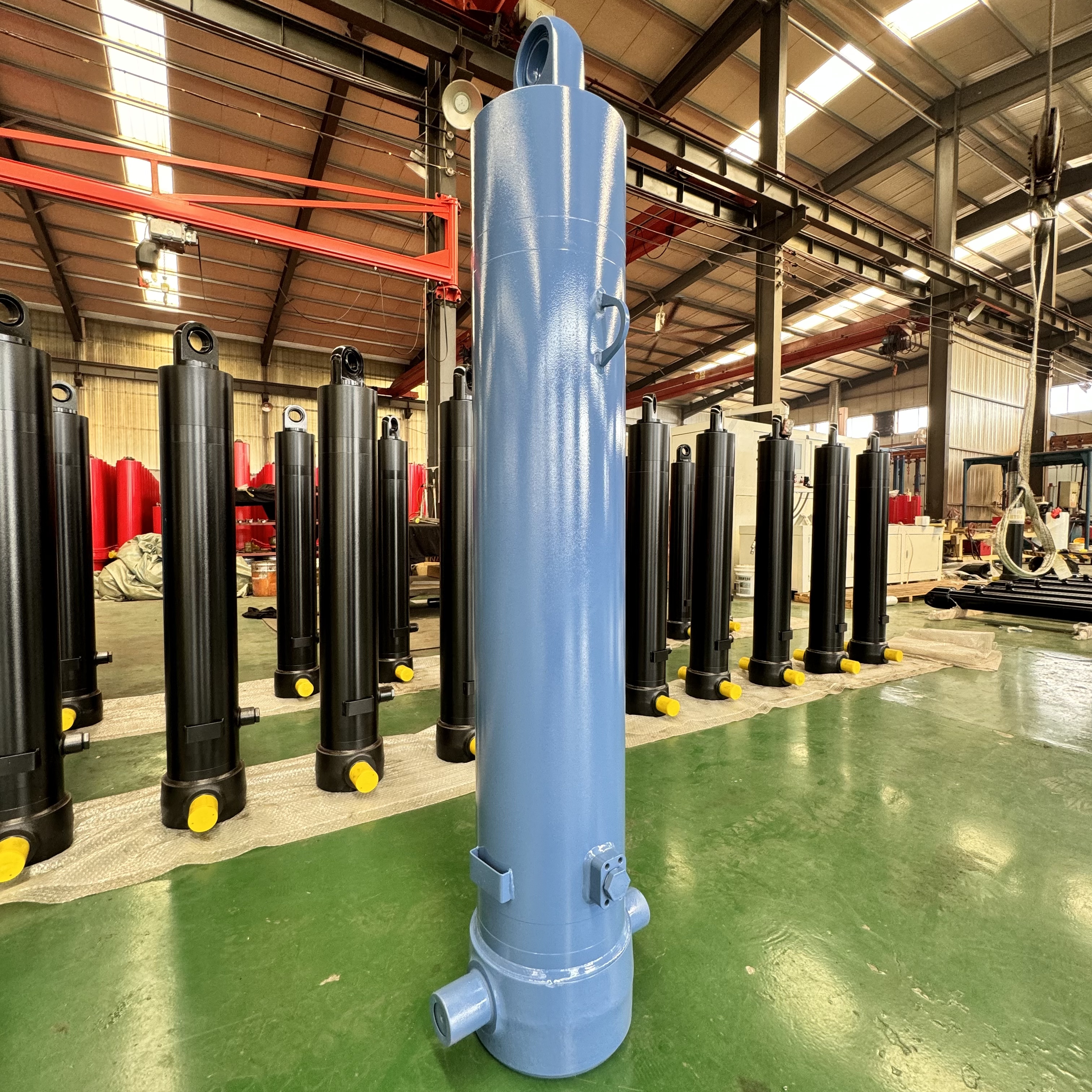
Reduced Structural Stability Under Heavy Loads
Another disadvantage of telescopic cylinders is reduced structural rigidity when fully extended. As the cylinder length increases, bending forces may increase, especially when lifting heavy loads.
This issue is particularly important in tipping cylinder systems where large truck beds generate significant mechanical stress during unloading operations.
Higher Manufacturing and Repair Costs
Telescopic cylinders require precision manufacturing techniques and high-quality materials, which increases production costs compared with standard hydraulic cylinders.
Repair costs can also be higher because internal stages must often be disassembled completely to replace damaged seals or components.
Difficult Inspection and Troubleshooting
Many internal parts of telescopic cylinders remain hidden during operation, making inspection more difficult than with conventional hydraulic cylinders.
Technicians may need to remove the entire cylinder from the machine to diagnose internal damage.
Limited Control Precision Compared with Standard Cylinders
Because telescopic cylinders extend in stages rather than as a single rod, their movement may be less predictable during certain operating conditions. This sequential extension can reduce motion precision compared with electric actuators or double-acting cylinders used in precision machinery.
Prompt: Use telescopic cylinders only when long stroke movement is essential.
Mechanical Limitations of Telescopic Tipping Cylinder Designs
Telescopic cylinders also face several mechanical limitations related to load distribution and structural design.
● Load Distribution Across Multiple Stages
Each stage of a telescopic cylinder carries part of the mechanical load during lifting operations. Smaller stages often extend farther than larger ones, which can cause uneven stress distribution within the cylinder structure.
● Stroke Length vs Structural Rigidity Trade-Off
Although telescopic cylinders offer long strokes, their structural rigidity decreases as the cylinder extends further. This extended length increases bending stress and may reduce overall stability during heavy lifting.
● Seal Durability Challenges in Multi-Stage Cylinders
Hydraulic seals must withstand high pressure, frequent movement, and exposure to contaminants. In telescopic cylinders, the large number of seals increases the risk of wear and leakage.
● Installation and Alignment Sensitivity
Proper installation is critical for telescopic cylinders because misalignment may introduce side loading forces. These forces accelerate wear on seals and piston surfaces.
Correct cylinder alignment significantly extends hydraulic system lifespan.
Maintenance Challenges in Telescopic Cylinder Systems
Maintenance is essential for ensuring the reliable performance of telescopic cylinders in heavy equipment.
● Seal Wear and Hydraulic Fluid Leakage
Repeated extension cycles gradually wear out seals and may eventually cause hydraulic fluid leakage. Seal degradation can reduce system pressure and lifting capacity.
● Stage Surface Damage and Contamination
Telescopic cylinder stages are usually chrome-plated to reduce friction and resist corrosion. Dust, debris, and moisture can damage these surfaces and increase wear.
● Hydraulic Fluid Contamination Risks
Contaminated hydraulic oil accelerates internal wear and may damage seals and piston surfaces. Maintaining clean hydraulic fluid is therefore critical for cylinder longevity.
● Preventive Maintenance Practices
Routine maintenance practices can significantly extend the service life of telescopic cylinders.
Recommended practices include:
● Inspecting seals regularly
● Cleaning exposed piston rods
● Monitoring hydraulic fluid condition
● Checking mounting alignment
Preventive maintenance reduces hydraulic system downtime.
Comparing Telescopic Cylinders with Other Hydraulic Cylinder Types
Hydraulic cylinders are available in several designs, each suited to different operating conditions.
Cylinder Type | Advantages | Limitations | Typical Applications |
Single-Acting Cylinder | Simple design and lower cost | Limited control direction | Lifting tables, basic equipment |
Double-Acting Cylinder | Precise bidirectional movement | Larger installation space | Excavators and industrial machines |
Telescopic Cylinder | Long stroke capability | Complex design and maintenance | Dump trucks and tipping systems |
Telescopic cylinders are the preferred choice when machines require long lifting strokes but cannot accommodate large cylinder bodies.
When Telescopic Tipping Cylinder Systems Are the Right Choice
Despite their disadvantages, telescopic cylinders remain essential in many heavy-duty applications.
● Dump Truck Tipping Cylinder Applications
Dump trucks rely on telescopic cylinders to raise their beds and unload materials quickly. The long extension allows trucks to achieve steep tipping angles.
● Mining Equipment and Heavy Material Transport
Mining trucks transport extremely heavy loads of ore and rock. Telescopic cylinders provide the force and extension needed to unload these materials safely.
● Agricultural Transport Equipment
Farm trailers carrying grain or fertilizer often use hydraulic tipping cylinders to unload crops efficiently during harvest operations.
● Industrial Material Handling Platforms
Hydraulic lifting platforms used in factories and warehouses frequently rely on telescopic cylinders to move bulk materials between levels.
Telescopic cylinders provide the best solution for long stroke lifting systems.
How Engineers Reduce the Disadvantages of Telescopic Cylinders
Advances in engineering and manufacturing have helped reduce many of the disadvantages associated with telescopic cylinders.
High-strength alloy steel and chrome-plated rods increase cylinder durability and resistance to wear.
Modern sealing systems use multi-lip designs and dust protection rings to reduce leakage and contamination.
Smart hydraulic monitoring systems can detect pressure changes and performance issues early, helping operators prevent major failures.
Manufacturers can design customized cylinders based on machine size, load capacity, and operating environment.
Improvement Technology | Benefit |
Chrome-plated rods | Increased wear resistance |
Multi-lip seals | Reduced hydraulic leakage |
Alloy steel structures | Higher load capacity |
Sensor monitoring | Predictive maintenance capability |
Conclusion
Telescopic cylinders are widely used in tipping cylinder systems because they provide long extension capability within compact installation space, making them ideal for dump trucks, mining equipment, agricultural trailers, and industrial lifting platforms. Their ability to extend several times their collapsed length allows heavy equipment to lift and unload materials efficiently without requiring large installation areas.
However, telescopic cylinders also present several disadvantages, including complex internal structures, increased maintenance requirements, higher manufacturing costs, and reduced structural stability when fully extended. Engineers must carefully evaluate factors such as load capacity, installation space, stroke length, and maintenance conditions before selecting telescopic cylinders for hydraulic systems.
Manufacturers such as Shandong Junfu Hydraulic Technology Co., Ltd. specialize in producing high-quality hydraulic cylinders and tipping cylinder solutions designed for demanding heavy equipment applications. Through advanced manufacturing processes and strict quality control, the company helps improve reliability and durability in telescopic cylinder systems.
When properly designed and maintained, telescopic tipping cylinder systems remain one of the most effective hydraulic solutions for heavy-duty material handling equipment used in construction, mining, agriculture, and industrial logistics.
FAQ
Q: What are the main disadvantages of telescopic cylinders?
A: Telescopic cylinders have complex structures, higher maintenance needs, and increased leakage risks compared with standard cylinders.
Q: Why are telescopic cylinders used in a tipping cylinder system?
A: A tipping cylinder uses telescopic design to provide long lifting strokes for dump trucks.
Q: Are telescopic cylinders expensive to maintain?
A: Yes, a telescopic tipping cylinder often requires more seals and maintenance checks.
Q: What causes tipping cylinder leakage in telescopic cylinders?
A: Seal wear, contamination, or stage damage may cause tipping cylinder hydraulic leaks.
Q: When should engineers avoid using a telescopic tipping cylinder?
A: Avoid a tipping cylinder telescopic design when precision control or high stability is required.


