1. Introduction
Heavy trucks unload tons in seconds. How does that happen?The answer is the tipping cylinder. It lifts and tilts heavy loads safely.But what is the use of tipping cylinder? Why do many machines depend on it?In this article, you will learn how it works. You will also see its uses and benefits.
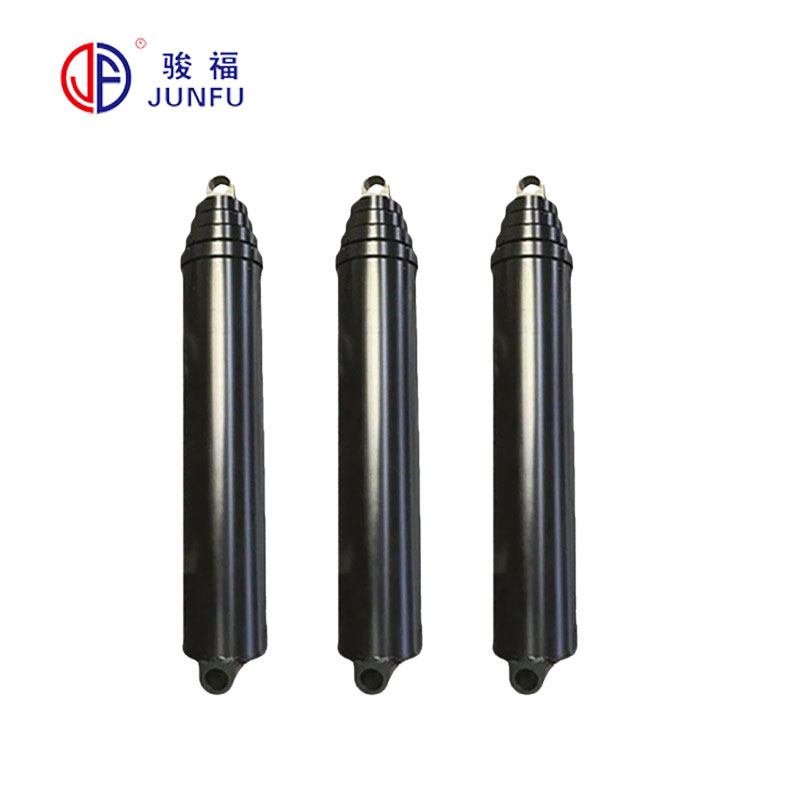
2. What Is a Tipping Cylinder and How Does It Work?
A tipping cylinder is a hydraulic cylinder designed to convert hydraulic pressure into linear mechanical motion that lifts or tilts heavy loads. In most applications, the cylinder pushes a truck bed, platform, or container upward, allowing gravity to discharge the material stored inside the equipment. This design allows machines to unload large quantities of materials efficiently without requiring manual intervention.
Hydraulic cylinders operate using pressurized fluid, usually hydraulic oil, which transfers energy from the pump to the cylinder chamber. As pressure builds inside the cylinder, it pushes the piston forward, extending the piston rod and generating the lifting motion required for tipping operations.
Definition of a Tipping Cylinder in Hydraulic Systems
A tipping cylinder is essentially a mechanical actuator used in hydraulic systems to lift or tilt equipment structures during unloading processes. These cylinders are widely installed in dump trucks, agricultural transport vehicles, industrial unloading platforms, and refuse collection systems, where heavy loads must be discharged quickly and reliably. Their design allows them to produce high lifting force while maintaining precise control of motion, which is essential for safe equipment operation.
Key Components Inside a Tipping Cylinder
Although tipping cylinders may vary in size and configuration depending on the machine where they are installed, most cylinders share the same fundamental internal components that ensure reliable performance under heavy loads. The table below summarizes the primary components found inside a typical tipping cylinder and explains their function within the hydraulic system.
Component | Function |
Cylinder Barrel | Houses the piston and hydraulic fluid |
Piston | Converts hydraulic pressure into mechanical movement |
Piston Rod | Transfers force to the tipping platform |
Sealing System | Prevents hydraulic oil leakage and contamination |
Hydraulic Fluid | Transmits pressure inside the cylinder |
High-quality cylinders often include hardened steel piston rods, precision-machined cylinder barrels, and advanced sealing systems designed to resist wear and contamination during long-term operation.
Hydraulic Pressure and the Tipping Mechanism
Hydraulic pumps generate pressure that pushes hydraulic oil into the cylinder chamber through hydraulic lines and control valves. Once the fluid enters the cylinder, the pressure acts on the piston surface and forces it to move outward, which extends the piston rod and lifts the connected equipment structure. This controlled movement gradually raises the truck bed or platform until the desired tipping angle is reached.
After the unloading process finishes, the hydraulic system releases pressure from the cylinder chamber, allowing the piston to retract and return the platform to its original position. This cycle of extension and retraction allows machines to perform repeated tipping operations quickly and safely throughout the working day.
Why Hydraulic Cylinders Are Used for Tipping Applications
Hydraulic cylinders are widely used for tipping applications because they provide several advantages over mechanical lifting systems, including higher lifting capacity, smoother motion control, and compact installation design. Hydraulic systems can generate enormous force using relatively small components, which makes them suitable for heavy equipment that must operate in limited installation spaces while still lifting extremely heavy loads.
Hydraulic cylinders provide strong lifting force while maintaining precise movement control.
3. What is the use of tipping cylinder?
The primary function of a tipping cylinder is to lift or tilt equipment platforms so that transported materials can be unloaded quickly and efficiently. This function is essential in industries where bulk materials must be moved frequently, such as construction, agriculture, mining, and waste management.
Primary Use – Lifting and Tilting Heavy Loads
The most common use of tipping cylinders involves lifting heavy loads for unloading purposes. When the hydraulic system activates the cylinder, it pushes the truck bed or platform upward, causing the load to slide out of the container under gravity.
Typical materials handled in tipping operations include sand, gravel, soil, agricultural crops, demolition debris, and industrial waste.
Dump Truck Tipping Systems
Dump trucks represent the most common application for tipping cylinder technology. These trucks transport construction materials and unload them by raising the rear of the truck bed, allowing the material to slide out of the back of the vehicle.
Because dump trucks often operate in demanding construction environments, their tipping cylinders must withstand high loads, repeated operation cycles, and challenging environmental conditions such as dust and vibration.
Agricultural Machinery Tipping Functions
Agricultural machinery also relies heavily on tipping cylinders for transporting crops and farm materials. Grain trailers, manure spreaders, and agricultural transport vehicles frequently use hydraulic tipping systems to unload harvested crops or fertilizers efficiently.
These cylinders must be durable enough to operate in outdoor environments where mud, dust, and weather conditions may affect equipment performance.
Waste Management and Refuse Trucks
Garbage trucks use tipping cylinders to lift containers and tilt waste compartments so that garbage can be discharged into processing facilities. These cylinders are designed to operate under harsh conditions and must handle repeated loading and unloading cycles throughout daily waste collection operations.
Construction Equipment Applications
Construction vehicles use tipping cylinders to unload materials at building sites or infrastructure projects. Dump trailers, construction transport vehicles, and specialized unloading equipment all rely on hydraulic cylinders to discharge materials quickly and safely.
Industrial Material Handling Systems
Factories and warehouses also use tipping cylinders in automated unloading platforms and industrial tilting systems where bulk materials must be transferred from containers into processing equipment or storage facilities.
Dump trucks remain the largest application segment for tipping cylinder systems.
4. Types of Tipping Cylinders Used in Mobile Hydraulics
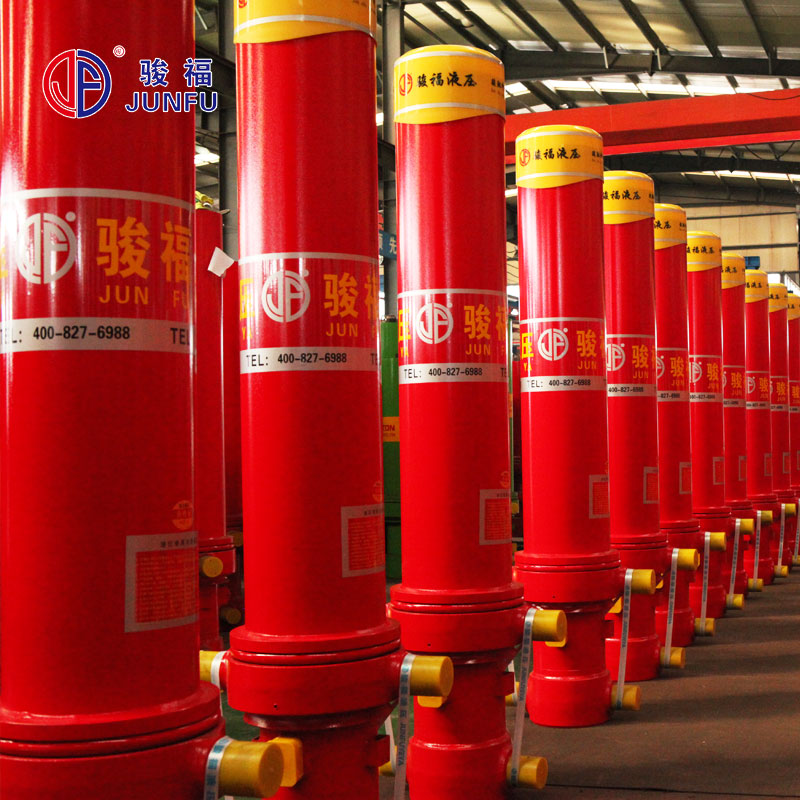
Different machines require different tipping cylinder configurations depending on load capacity, installation space, and operating environment. Manufacturers therefore produce several cylinder types designed to meet specific equipment requirements.
Common Tipping Cylinder Categories
5. Key Advantages of Using a Tipping Cylinder
Hydraulic tipping cylinders provide several operational advantages that make them essential in modern material handling equipment.
High Load Capacity and Power Density
Hydraulic cylinders can generate enormous lifting force even when their physical size remains relatively compact. This high power density allows heavy equipment to lift large loads without requiring oversized mechanical systems.
Smooth and Controlled Material Dumping
Hydraulic systems allow operators to control the speed and angle of the tipping motion, which improves safety and prevents sudden load release.
Space Efficiency with Telescopic Design
Telescopic cylinder designs allow equipment manufacturers to achieve long lifting strokes without requiring large installation space.
Durability in Harsh Industrial Environments
Modern tipping cylinders are built using high-strength steel components, corrosion-resistant coatings, and durable sealing materials to ensure long service life even in challenging environments such as construction sites or mining operations.
Durable materials and strong seals greatly improve hydraulic cylinder reliability.
6. How Tipping Cylinders Improve Efficiency in Dump Trucks
Hydraulic tipping systems significantly improve operational efficiency for transportation and construction vehicles.
● Faster Material Unloading
Hydraulic tipping allows dump trucks to unload materials in seconds rather than minutes, reducing cycle times and increasing productivity.
● Improved Operator Safety
Operators can control the unloading process from inside the vehicle cabin, which reduces the risk of workplace accidents.
● Reduced Manual Labor in Material Handling
Hydraulic tipping eliminates the need for workers to manually unload heavy materials, which improves workplace safety and reduces labor costs.
● Environmental and Operational Efficiency
Efficient unloading operations reduce engine idle time and improve overall fuel efficiency during transport operations.
Faster unloading cycles significantly improve fleet productivity.
7. Maintenance and Safety Tips for Tipping Cylinders
Proper maintenance ensures that tipping cylinders operate safely and reliably throughout their service life.
● Regular Inspection for Leaks and Structural Damage
Operators should regularly inspect hydraulic cylinders for signs of oil leakage, structural cracks, or rod damage.
● Monitoring Hydraulic Fluid Quality
Clean hydraulic fluid prevents internal wear and improves overall hydraulic system performance.
● Seal and Rod Maintenance for Long Service Life
Proper lubrication and seal replacement schedules help maintain cylinder sealing performance.
● Preventing Overload and Hydraulic Pressure Issues
Operators should always follow manufacturer load limits and hydraulic pressure guidelines to prevent equipment damage.
Comment: Routine hydraulic maintenance greatly reduces unexpected equipment failures.
8. Choosing the Right Tipping Cylinder for Your Equipment
Selecting the correct tipping cylinder requires careful evaluation of several engineering factors.
● Load Capacity and Stroke Length Requirements
The cylinder must provide enough lifting force and extension length to handle the intended load and tipping height.
● Mounting Configuration and Installation Space
Different equipment designs require different cylinder mounting configurations such as front-mounted cylinders, underbody cylinders, or telescopic cylinders.
● Material Strength and Durability Factors
High-strength alloy steel and corrosion-resistant coatings improve cylinder durability in demanding environments.
● Custom Tipping Cylinder Solutions for Different Industries
Many manufacturers provide customized tipping cylinder solutions designed for specific industries such as agriculture, construction, mining, and waste management.
Always verify cylinder dimensions and mounting points before installation.
9. Conclusion
A tipping cylinder is a critical hydraulic component used in many heavy equipment systems because it allows machines to lift and tilt loads efficiently during material unloading operations. These cylinders play an essential role in industries such as construction, agriculture, transportation, mining, and waste management, where bulk materials must be moved and discharged frequently.
By converting hydraulic pressure into controlled mechanical lifting force, tipping cylinders allow dump trucks, trailers, and industrial platforms to unload materials quickly and safely. Their ability to generate high force, maintain stable motion, and operate in harsh environments makes them indispensable in modern hydraulic machinery. Manufacturers such as Shandong Junfu Hydraulic Technology Co., Ltd. specialize in producing durable tipping cylinders and hydraulic components designed to meet the demanding requirements of heavy-duty industrial equipment.
Selecting the correct tipping cylinder design requires careful consideration of load capacity, stroke length, installation configuration, and environmental conditions. Equipment operators and purchasing managers who invest in high-quality hydraulic cylinders from reliable manufacturers like Shandong Junfu Hydraulic Technology Co., Ltd. can improve equipment productivity, extend service life, and reduce long-term maintenance costs.
FAQ
Q: What is a tipping cylinder?
A: A tipping cylinder is a hydraulic actuator that lifts and tilts truck beds or platforms to unload materials efficiently.
Q: How does a tipping cylinder work?
A: A tipping cylinder uses hydraulic pressure to extend a piston rod, lifting the load and allowing gravity to discharge the material.
Q: Why is a tipping cylinder important in dump trucks?
A: A tipping cylinder allows dump trucks to unload heavy materials quickly, improving efficiency and reducing manual labor.
Q: How much does a tipping cylinder cost?
A: The cost of a tipping cylinder varies by size, stroke length, and load capacity, typically ranging from several hundred to several thousand dollars.
Q: What are the advantages of using a tipping cylinder?
A: A tipping cylinder provides high lifting force, smooth operation, reliable performance, and efficient unloading in heavy equipment.


