When it comes to maintaining heavy machinery, the condition of key components like the underbody telescopic cylinder is crucial for optimal performance. These cylinders play a vital role in various applications, particularly in vehicles such as dump trucks, construction equipment, and waste management trucks. If the underbody telescopic cylinder malfunctions or wears out, it can cause costly delays and unsafe operating conditions. This blog will guide you through the signs that indicate when your underbody telescopic cylinder may need replacement and what to look for to ensure it’s functioning optimally.
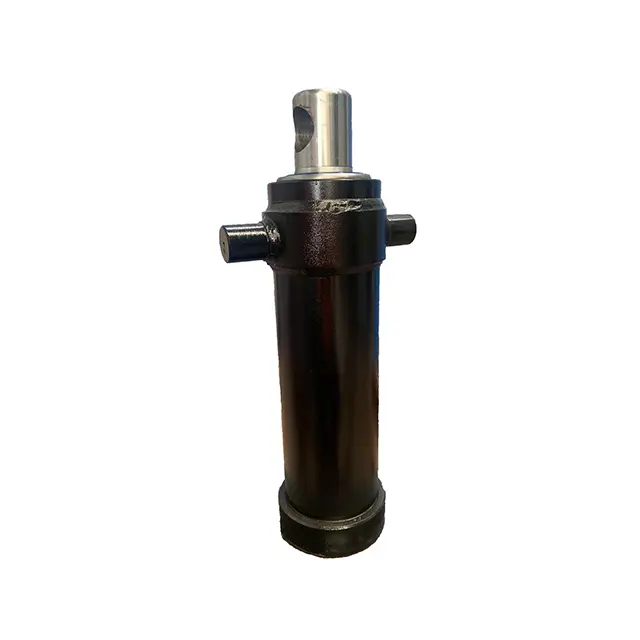
What is an Underbody Telescopic Cylinder?
Before diving into the signs of replacement, it's important to understand the role of the underbody telescopic cylinder. This type of hydraulic cylinder is primarily used to lift and dump heavy loads, like in dump trucks or garbage trucks. The cylinder is designed with multiple nested tubes that extend and retract to provide the necessary force to raise and lower the body of the vehicle. These cylinders are engineered for heavy-duty tasks, and they must operate smoothly to ensure the safety and efficiency of the machine.
Visible Signs of Damage on the Underbody Telescopic Cylinder
The most immediate and obvious indication that your underbody telescopic cylinder may need replacing is visible physical damage. Look for cracks, dents, or severe scratches on the cylinder’s outer surface. These physical deformities can lead to structural weaknesses that could cause the cylinder to fail under heavy loads.
What to Look For:
Cracks: Often seen in the metal housing due to excessive pressure or wear.
Dents or gouges: These can be caused by impacts from external debris or improper handling.
Corrosion: Rust or corrosion can degrade the cylinder's functionality over time.
If you notice any of these signs, it's essential to address them promptly. A damaged cylinder could lead to more severe damage to the machinery, increasing repair costs.
Hydraulic Fluid Leaks: A Major Red Flag
Hydraulic fluid leakage is one of the most common issues that signal an underbody telescopic cylinder needs attention. If there is visible fluid leaking from the cylinder’s seals or connections, it can lead to a decrease in hydraulic pressure, affecting the overall performance of the machine.
Why Leaks Happen:
Seal wear: Over time, the seals on the cylinder degrade, allowing fluid to leak out.
Improper installation: If the cylinder was not installed correctly, it could cause misalignment, leading to leakage.
Aging components: Old and worn-out cylinders often suffer from leaking seals, which can reduce efficiency.
Small leaks should not be ignored, as they can gradually worsen, leading to complete cylinder failure. Regularly check for leaks around the seals and fittings of the underbody telescopic cylinder to ensure they are functioning properly.
Loss of Lifting Power or Slow Operation
A clear indicator that your underbody telescopic cylinder might be nearing the end of its life is when it struggles to lift or extend the vehicle’s body properly. If you notice that the cylinder is moving slower than usual, or if it’s unable to lift the load as efficiently, this could be a sign of internal wear or damage.
Possible Causes of Reduced Lifting Power:
Internal wear: The internal components of the cylinder, such as the piston or rods, may wear out over time, causing a loss in performance.
Fluid contamination: If the hydraulic fluid is contaminated with dirt or debris, it can lead to inefficient operation.
Seal degradation: Worn-out seals may cause fluid to bypass the piston, reducing the cylinder’s lifting ability.
If the underbody telescopic cylinder’s lifting power has diminished significantly, it's time to either repair or replace it before it causes more extensive damage to other components.
Excessive Noise During Operation
An underbody telescopic cylinder that is functioning properly should operate relatively quietly. If you hear unusual noises like grinding, squealing, or knocking, this could indicate serious internal damage. These noises often point to issues with the piston, seals, or bearings.
Common Noises and Their Causes:
Grinding sounds: Could indicate debris inside the cylinder or issues with the piston rod.
Squealing: Often caused by dry seals or a lack of lubrication in the system.
Knocking: May suggest loose components or damaged internal parts of the cylinder.
Unusual sounds typically suggest that the cylinder is under stress or has sustained internal damage, and further operation without addressing the issue could lead to complete failure.
Inconsistent or Irregular Cylinder Movement
If you notice that the cylinder doesn’t extend or retract smoothly, or if the movement is jerky or uneven, it could be a sign of underlying issues. Inconsistent movement can be caused by several factors, such as damaged seals, low hydraulic fluid levels, or internal cylinder wear.
Troubleshooting Tips:
Check hydraulic fluid: Ensure the fluid level is correct and that it is clean.
Inspect seals: Worn seals can cause fluid to bypass the piston, leading to jerky movements.
Examine the cylinder’s alignment: Misalignment can result in uneven extension or retraction.
When the cylinder’s movement becomes irregular, it's often a sign that it’s working beyond its optimal capacity, leading to a higher likelihood of failure if not addressed.
Excessive Wear on the Piston Rod
The piston rod is a critical part of the underbody telescopic cylinder. If it shows signs of excessive wear or damage, this could directly impact the cylinder’s ability to perform its job. Over time, the piston rod can become scratched, worn down, or corroded, leading to leakage and inefficient operation.
Signs of Piston Rod Wear:
Scratches and grooves: These can lead to hydraulic fluid leakage, affecting performance.
Rust or corrosion: Can cause friction and increase wear on seals and other internal components.
Bent or misaligned rods: This can cause irregular movements and potential damage to the internal components.
Regular inspections of the piston rod can help you identify early signs of wear before it leads to total failure.
Decreased Hydraulic Pressure
If the hydraulic system’s pressure is consistently low, it’s a clear indication that there might be an issue with the underbody telescopic cylinder. Low pressure could be due to leaks, damaged seals, or blockages in the hydraulic lines. A pressure drop means the cylinder won’t be able to lift the vehicle’s body effectively.
How to Check Hydraulic Pressure:
Use a pressure gauge: Regularly monitor the hydraulic pressure during operation.
Check for leaks: Leaks in the hydraulic system can cause a drop in pressure.
Inspect hydraulic lines: Blockages or kinks in the lines can lead to poor fluid flow and pressure.
If the pressure remains low despite troubleshooting, replacing the underbody telescopic cylinder might be necessary to restore full function.
Conclusion
Understanding when your underbody telescopic cylinder needs replacement is crucial for maintaining the efficiency and safety of your equipment. Regular maintenance and vigilant monitoring for signs such as visible damage, fluid leaks, slow operation, unusual noises, and inconsistent movement can help you catch problems early. By addressing these issues promptly, you can avoid costly repairs and downtime.
FAQ
1. How long do underbody telescopic cylinders typically last?
The lifespan of an underbody telescopic cylinder can vary depending on usage, maintenance, and operating conditions. On average, they last anywhere from 5 to 10 years. However, regular maintenance can extend their lifespan significantly.
2. Can an underbody telescopic cylinder be repaired?
Yes, many issues with underbody telescopic cylinders can be repaired, such as replacing seals, fixing leaks, or addressing hydraulic fluid contamination. However, if the cylinder’s structural integrity is compromised, replacement may be the only viable option.
3. How often should I inspect my underbody telescopic cylinder?
Regular inspections are key to preventing unexpected failures. It’s recommended to inspect the cylinder every 500 hours of operation, or at least once every three to six months, depending on the intensity of use.
4. Can I continue using my underbody telescopic cylinder if it has a small leak?
While small leaks may seem manageable, they can lead to bigger problems if left unchecked. Leaks can reduce hydraulic pressure, damage internal components, and lead to fluid contamination. It’s best to address the issue as soon as possible.


