Hydraulic pumps are essential components of hydraulic systems, playing a crucial role in various industries and machinery. These pumps convert mechanical energy into hydraulic energy, enabling the transmission of force through liquids. Hydraulic pumps are used in a wide range of applications, from construction and agriculture to manufacturing and energy sectors. This article delves into the primary uses of hydraulic pumps, their various types, applications, and the benefits they bring to industries worldwide.
1. Understanding Hydraulic Pumps
What is a Hydraulic Pump?
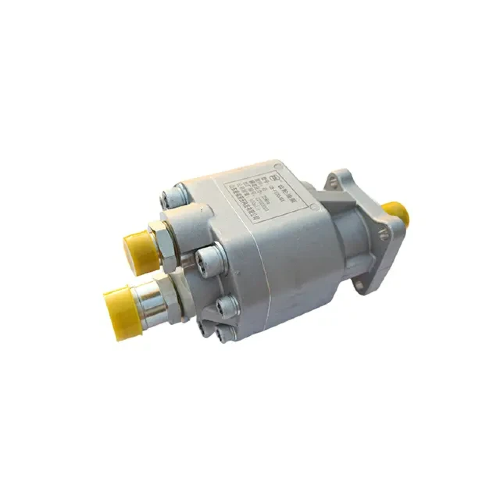
A hydraulic pump is a mechanical device that converts mechanical energy into hydraulic energy, enabling the movement of fluids to power machinery. Hydraulic pumps are commonly found in systems where fluid pressure is necessary to operate equipment or machinery.
In basic terms, hydraulic pumps function by drawing fluid into a cylinder or chamber, pressurizing it, and then expelling the fluid to power various mechanical processes. This process allows machines to operate with greater efficiency and power compared to traditional mechanical systems.
Importance of Hydraulic Pumps in Industrial Applications
Hydraulic systems powered by hydraulic pumps are widely used in industries such as construction, agriculture, automotive, aerospace, and energy. The advantages of hydraulic systems include the ability to generate high force in a compact size, durability in harsh environments, and the ability to control precision movements. Hydraulic pumps are the driving force behind this efficiency, making them indispensable in modern machinery.
2. How Hydraulic Pumps Work
Basic Functionality of Hydraulic Pumps
Hydraulic pumps operate based on Pascal's Law, which states that pressure in a confined fluid is transmitted equally in all directions. The basic operation of a hydraulic pump involves the following steps:
Suction: The pump draws fluid from a reservoir or tank.
Compression: The fluid is then compressed by the pump’s moving parts (gears, pistons, or vanes).
Discharge: The pressurized fluid is discharged into the hydraulic system to perform work, such as lifting, driving, or moving machinery.
Types of Hydraulic Pumps
There are several types of hydraulic pumps, each designed for specific applications. Here are the most common ones:
Gear Pumps
Gear pumps are the simplest and most widely used hydraulic pumps. They consist of two gears that mesh together to move the fluid. Gear pumps are typically used in low to medium-pressure applications, such as in construction equipment, agricultural machinery, and automotive systems.
Piston Pumps
Piston pumps use pistons within cylinders to pressurize the hydraulic fluid. These pumps are ideal for high-pressure applications and are commonly used in heavy-duty construction equipment, aerospace systems, and oil extraction.
Vane Pumps
Vane pumps use sliding vanes that rotate within a casing to move fluid. They offer higher flow rates and are often used in medium-pressure systems, such as presses, manufacturing machinery, and mobile equipment.
3. Common Applications of Hydraulic Pumps
Hydraulic pumps are found in many industries due to their versatility and efficiency. Below are some of the primary applications of hydraulic pumps:
Construction and Heavy Equipment
Hydraulic systems are widely used in the construction industry, powering equipment such as excavators, bulldozers, cranes, and backhoes. Hydraulic pumps enable these machines to lift, dig, and perform other complex tasks with high precision and force. The most common types of pumps used in construction equipment are gear pumps and piston pumps, depending on the power requirements and application.
Equipment | Hydraulic Pump Type | Function |
Excavators | Piston Pump | Digging, lifting, and swinging |
Cranes | Gear Pump | Lifting heavy loads |
Bulldozers | Gear Pump | Earthmoving and pushing |
Backhoes | Gear/Piston Pump | Digging and lifting |
Agricultural Machinery
In agriculture, hydraulic pumps are used in tractors, harvesters, plows, and irrigation systems. These pumps enable agricultural machines to perform tasks such as lifting, steering, and driving, making them more efficient and effective in the field. The use of hydraulic pumps in agriculture has helped to automate processes and reduce the labor required for large-scale farming operations.
Automotive and Industrial Machines
In automotive systems, hydraulic pumps are used in braking systems, steering systems, and lifts. Hydraulic pumps provide the force needed to operate the brakes and steering systems, which are essential for the safe and efficient operation of vehicles. Industrial machines, such as presses, robots, and molding machines, also rely on hydraulic pumps for their operations.
Marine and Aerospace
Hydraulic pumps are crucial in marine and aerospace applications. In ships, submarines, and aircraft, hydraulic systems control functions like landing gear, rudders, and steering mechanisms. The high reliability and force provided by hydraulic pumps are essential for the operation of these vehicles in challenging environments.
Energy Sector
In the energy sector, hydraulic pumps are used in oil rigs, power plants, and renewable energy systems. They are used to operate drilling equipment, manage fluid flow, and power various mechanical processes. In renewable energy systems like hydropower, hydraulic pumps are also used to move water and generate electricity.
4. Hydraulic Pumps in Specialized Industries
Mining and Resource Extraction
Mining and resource extraction industries rely heavily on hydraulic systems to power equipment used in drilling, material handling, and crushing. Hydraulic pumps are used in machines like drills, excavators, and haul trucks, where high pressure and precision are required to move large amounts of material.
Equipment | Hydraulic Pump Type | Function |
Drills | Piston Pump | Drilling and material handling |
Excavators | Gear/Piston Pump | Digging and material transport |
Haul Trucks | Gear Pump | Lifting and loading materials |
Manufacturing & Automation
In manufacturing, hydraulic pumps are used in press machines, robotics, and automated production lines. These pumps provide the force needed for heavy lifting, molding, and moving materials through production processes.
Mobile Equipment
Hydraulic pumps are also used in mobile equipment such as trucks, mobile cranes, and forklifts. These pumps provide the power necessary to operate lifting systems, power take-offs (PTOs), and other functions, making mobile equipment more versatile and efficient.
5. Why Are Hydraulic Pumps So Effective?
Efficiency and Power Transmission
Hydraulic pumps are incredibly efficient because they can transmit large amounts of power through relatively small, compact systems. They are capable of delivering high force in applications that would be difficult or impossible for traditional mechanical systems to handle. Hydraulic pumps also enable precise control over machinery, making them ideal for high-demand operations.
Durability and Reliability
Hydraulic pumps are designed to operate in harsh environments and extreme conditions. Whether in construction, agriculture, or mining, hydraulic systems can withstand high pressures and tough conditions. The durability of hydraulic pumps makes them a preferred choice in industries where reliability is critical.
6. Challenges in Hydraulic Pump Usage
Maintenance and Wear
Hydraulic pumps, like all mechanical components, require regular maintenance to prevent wear and failure. Common issues include leaks, piston wear, and seal failure, which can cause a drop in system pressure and efficiency. Regular checks and servicing are necessary to ensure the longevity of the pump.
Energy Loss and Cost
Despite their efficiency, hydraulic systems can suffer from energy loss due to friction, leakage, and poor system design. Optimizing the system for energy efficiency is crucial to reduce costs and improve the performance of hydraulic pumps.
7. Future Trends in Hydraulic Pump Technology
Advancements in Materials and Design
In the future, high-performance materials such as ceramics and composites will be used to build more durable and efficient hydraulic pumps. These materials will help reduce wear and extend the lifespan of hydraulic pumps, even under extreme conditions.
Integration with IoT and Smart Technologies
The Internet of Things (IoT) is set to revolutionize hydraulic systems. Hydraulic pumps will be integrated with sensors and monitoring systems to provide real-time data, enabling predictive maintenance and reducing downtime.
8. Conclusion
Hydraulic pumps are essential in powering machinery and equipment across various industries, including construction, agriculture, automotive, and energy. These pumps deliver the precision, efficiency, and high force needed for applications that demand reliable performance. As technology continues to evolve, hydraulic pumps are becoming increasingly efficient and reliable, meeting the growing demands of industries worldwide.
At Shandong Junfu Hydraulic Technology Co., Ltd., we are dedicated to providing advanced hydraulic pump solutions that meet the needs of modern industries. With our commitment to innovation and quality, we offer a range of products designed to optimize performance and efficiency in demanding applications. Our team of experts can assist you in selecting the right hydraulic pump for your system, ensuring it operates smoothly and effectively.
If you're looking for reliable hydraulic pump solutions, we invite you to reach out to us. Our knowledgeable engineers are ready to guide you through the selection process and provide tailored solutions that enhance your operations. Let us help you meet the challenges of tomorrow’s industry with high-performance hydraulic technology.
9. FAQ
Q1: What types of hydraulic pumps are most commonly used in construction machinery?
A1: In construction machinery, gear pumps and piston pumps are most commonly used due to their efficiency in powering large equipment like excavators and bulldozers.
Q2: How do hydraulic pumps compare to electric motors?
A2: Hydraulic pumps offer higher power density and are more effective in situations where high force and compact design are required, whereas electric motors may be more suitable for continuous, low-force applications.
Q3: What are the main challenges of using hydraulic pumps in industrial machinery?
A3: Common challenges include wear and tear, which can lead to leaks or reduced performance, and energy loss due to inefficiency in pump design. Regular maintenance is crucial to overcome these issues.
Q4: Can hydraulic pumps be used in environmentally demanding applications?
A4: Yes, hydraulic pumps are designed for use in tough environments, such as mining, marine, and oil extraction, where high pressure and reliability are essential.
Q5: How can hydraulic pumps be made more energy-efficient?
A5: Advances in pump design, use of high-quality seals, and incorporating smart technology for predictive maintenance are some ways to make hydraulic pumps more energy-efficient.


