Hydraulic pumps are an essential component in many industries, providing the necessary power for fluid circulation within hydraulic systems. These pumps are used in various applications, such as construction, agriculture, and manufacturing, where their efficiency is crucial. But one common question is: Can a hydraulic pump be operated continuously?
In this article, we’ll explore the feasibility of continuous operation for hydraulic pumps, the factors influencing their performance, and the steps you can take to ensure long-lasting, efficient operation.
Understanding Hydraulic Pumps
What is a Hydraulic Pump?
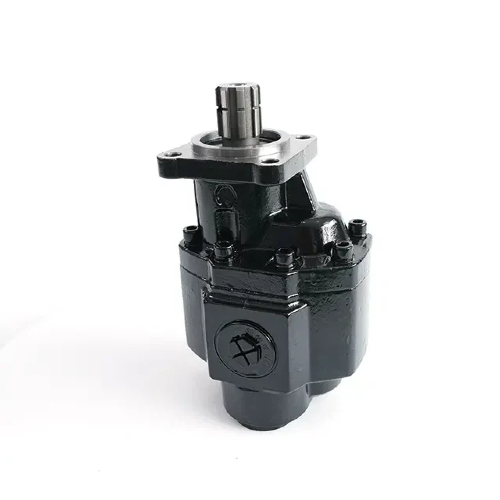
A hydraulic pump is a mechanical device that converts mechanical energy into hydraulic energy by moving fluid through a system under pressure. These pumps are vital for operating machines and systems that require hydraulic power. The basic working principle involves moving hydraulic fluid to perform tasks such as lifting, pushing, or turning machinery.
Types of Hydraulic Pumps
Hydraulic pumps come in several types, including:
Gear Pumps: These are the most common and use two intermeshing gears to move fluid.
Piston Pumps: Use a piston to generate fluid movement and pressure.
Vane Pumps: These use a rotating vane mechanism to push fluid.
Importance in Various Industries
Hydraulic pumps are crucial in industries like construction, automotive, mining, and manufacturing, where they drive heavy machinery, conveyors, lifts, and other equipment. The ability to operate these pumps continuously is essential in many applications, such as automated assembly lines and constant-duty machines.
Can Hydraulic Pumps Operate Continuously?
The Basics of Continuous Operation
Continuous operation refers to the ability of a hydraulic pump to run without stopping for extended periods. While many hydraulic pumps are designed for intermittent use, some applications require continuous operation to maintain production or operation processes, such as in factories or heavy machinery.
Key Considerations for Continuous Operation
For a hydraulic pump to operate continuously, several factors must be taken into account. Understanding these factors is crucial for ensuring that the pump operates efficiently without leading to damage or failure.
Factors That Influence Continuous Operation of Hydraulic Pumps
Fluid Temperature
Hydraulic fluid temperature plays a significant role in the continuous operation of hydraulic pumps. When the temperature of the hydraulic fluid rises too much, it can cause the pump to overheat, leading to fluid degradation and potential damage to the pump components.
Temperature Range | Effect on Pump |
90-100°C | Increased viscosity loss, risk of pump wear. |
100-120°C | Rapid degradation of fluid, risk of pump failure. |
Above 120°C | Immediate pump damage due to overheating. |
To maintain continuous operation, it's crucial to implement a proper cooling system to regulate fluid temperature, especially in high-demand applications.
Pump Design
Different hydraulic pumps are designed with varying capacities for continuous operation. For instance:
Gear pumps are suitable for moderate, continuous use as they are simple and robust.
Piston pumps are ideal for high-pressure, continuous-duty applications due to their higher efficiency and longer lifespan.
Vane pumps offer quiet operation and are used in systems with moderate load requirements.
The design and construction of the pump, including materials used, are critical in determining whether it can handle continuous operation without premature failure.
Pump Load
The load placed on a hydraulic pump is one of the most important factors influencing its ability to run continuously. A pump subjected to a heavy load will experience more stress, increasing the risk of overheating and component wear.
Pump Load Level | Effect on Continuous Operation |
Low Load | Ideal for continuous operation with minimal wear. |
Moderate Load | Can operate continuously, but efficiency may decrease over time. |
Heavy Load | Not ideal for continuous operation; overheating and wear are likely. |
It is crucial to ensure that the hydraulic pump operates within its rated load capacity to maximize its operational lifespan during continuous use.
Lubrication and Maintenance
Proper lubrication is essential for continuous operation. Hydraulic pumps rely on the hydraulic fluid to lubricate moving parts, and without proper lubrication, the internal components can wear out quickly.
Regular maintenance is equally important. Over time, hydraulic fluid can degrade, and filters can become clogged, reducing the pump’s efficiency and increasing the risk of breakdown.
Maintenance Tips for Continuous Operation:
Regularly check fluid levels and quality.
Replace hydraulic filters at recommended intervals.
Clean or replace seals and O-rings to prevent leakage.
Pressure Limits
Operating a hydraulic pump beyond its pressure rating can cause significant damage. Continuous operation under excessive pressure can lead to pump failure, overheating, and system breakdown. It is essential to monitor and maintain the system’s pressure at all times.
Advantages of Continuous Operation in Hydraulic Systems
Increased Efficiency
The ability to run hydraulic pumps continuously offers several advantages in terms of operational efficiency. With continuous operation, systems that require hydraulic power—such as conveyor belts, assembly lines, and hydraulic presses—can run without interruptions, resulting in higher productivity.
Cost Savings
Continuous operation can also reduce downtime and the associated maintenance and labor costs. For businesses that rely on hydraulic power for everyday operations, continuous pumps allow for more streamlined processes, contributing to overall cost savings.
Applications in Various Industries
Certain industries require continuous hydraulic power to function optimally. For example:
Manufacturing and Assembly: Hydraulic presses and machines require continuous hydraulic power for 24/7 operations.
Construction: Hydraulic systems in cranes, excavators, and loaders need continuous power to lift heavy loads.
Challenges of Continuous Operation
Wear and Tear
One of the main challenges of continuous operation is the increased wear and tear on the pump components. The longer the pump operates, the greater the potential for internal parts to deteriorate. This can lead to costly repairs and replacements.
Energy Consumption
Hydraulic systems that run continuously consume a significant amount of energy. This can increase operational costs, particularly in industries with a high demand for hydraulic power. It’s crucial to balance energy usage and system efficiency for cost-effective continuous operation.
Hydraulic Fluid Degradation
Hydraulic fluid can break down over time, especially when subjected to high temperatures and extended use. Degraded fluid can cause pump malfunction, overheating, and system failure. Regular monitoring and fluid replacement are necessary to maintain continuous operation.
How to Optimize Hydraulic Pumps for Continuous Operation
Proper Pump Selection
Choosing the right hydraulic pump for continuous operation is essential. Ensure that the pump's specifications, including pressure rating, flow rate, and design, align with your system's needs. For continuous operations, piston pumps are often the best choice due to their high efficiency and long service life.
System Design Considerations
For continuous operation, the system should be designed with components that support extended use, including:
Reservoirs that can handle increased fluid volumes.
Cooling systems to manage fluid temperature.
Pressure relief valves to prevent system overload.
Regular Maintenance and Monitoring
To ensure optimal performance, implement a regular maintenance schedule. This includes checking fluid levels, monitoring temperatures, and inspecting seals and components. Invest in system monitoring technology that provides real-time feedback on system performance.
Use of High-Quality Hydraulic Fluids
Choosing high-quality hydraulic fluid is crucial for maintaining the efficiency of hydraulic pumps in continuous operation. Look for fluids that offer superior lubrication, resist degradation, and protect against corrosion.
Real-World Applications of Continuous Hydraulic Pump Operation
Heavy Machinery and Construction
Construction vehicles like excavators and cranes rely heavily on hydraulic systems for lifting and maneuvering heavy loads. These machines often need to run continuously, especially in large-scale projects, making reliable, continuous hydraulic pumps essential.
Manufacturing and Automation
In manufacturing plants, assembly lines and automated systems often operate 24/7. Continuous operation of hydraulic pumps ensures smooth, uninterrupted production. For example, hydraulic presses used in automotive manufacturing need to run continuously to meet production demands.
Conclusion
Yes, hydraulic pumps can be operated continuously, but several factors need to be carefully considered to ensure optimal performance and longevity. The pump design, fluid temperature, load conditions, and regular maintenance all play critical roles in determining whether continuous operation is feasible. With proper system design and regular monitoring, hydraulic pumps can run efficiently and continuously, offering significant benefits such as increased productivity and reduced downtime.
At Shandong Junfu Hydraulic Technology Co., Ltd., we specialize in providing high-quality hydraulic pumps that are built for durability and continuous operation. Our extensive experience and commitment to quality ensure that our products can withstand the demands of various industries, including construction, agriculture, and manufacturing. If you’re looking for reliable hydraulic solutions tailored to your specific needs, we invite you to get in touch with us. Our team is ready to help you design and maintain a hydraulic system that meets your operational requirements while ensuring long-term efficiency.
FAQ
Can hydraulic pumps run 24/7 without overheating?
It depends on the pump's design, load, and cooling mechanisms. Hydraulic pumps can run 24/7, but it’s important to monitor the system’s temperature and ensure proper cooling to prevent overheating.
What happens if a hydraulic pump is run continuously without proper maintenance?
Continuous operation without maintenance can lead to pump failure due to excessive wear, overheating, and contamination of hydraulic fluid. Regular maintenance is essential to avoid these issues.
How long can a hydraulic pump operate continuously?
The duration a hydraulic pump can run continuously depends on its design, load, and operating conditions. With proper maintenance, some pumps can operate for extended periods.
What factors should be considered when choosing a hydraulic pump for continuous operation?
Factors include the pump's pressure rating, efficiency, load capacity, and system cooling mechanisms. Piston pumps are often the best choice for continuous-duty applications.
Can continuous operation of hydraulic pumps affect energy efficiency?
Yes, continuous operation increases energy consumption. It's important to select energy-efficient pumps and monitor system usage to optimize energy consumption.
What maintenance practices ensure continuous operation of a hydraulic pump?
Regular fluid checks, filter changes, temperature monitoring, and lubrication are key to ensuring continuous pump operation. Routine inspections will prevent unexpected breakdowns and prolong pump life.


