Maintaining the proper fill level in a hydraulic oil tank is crucial for ensuring the optimal performance of a hydraulic system. Hydraulic systems, used in industries ranging from construction to manufacturing, rely on hydraulic oil to perform essential tasks such as lifting, pressing, and powering machinery. The correct fill level ensures smooth operation and prevents costly system failures. This article explores the optimal fill level for a hydraulic oil tank, the factors that influence it, and best practices for maintaining it.
Importance of Hydraulic Oil Tanks
A hydraulic oil tank is the heart of a hydraulic system. It stores the hydraulic fluid that powers the system, ensuring that fluid is readily available when needed. The tank serves several vital functions, including fluid storage, cooling, and filtration. It also helps maintain system pressure and regulate temperature, all of which are essential for the hydraulic system to function efficiently. Without proper oil levels, the system may not operate as intended, leading to inefficiencies and potential damage.
Understanding Optimal Fill Level
The optimal fill level of a hydraulic oil tank refers to the ideal amount of hydraulic fluid required for a hydraulic system to function effectively. Maintaining this optimal level prevents issues such as cavitation, air contamination, and overheating, which can significantly impact the hydraulic system's performance. In the following sections, we will explore how to determine the optimal fill level and why it is so crucial.
What is the Optimal Fill Level for a Hydraulic Oil Tank?
Definition of Optimal Fill Level
The optimal fill level is the amount of hydraulic fluid that allows the system to operate at its peak efficiency. This level is determined by the hydraulic system's design, including the tank's capacity, fluid requirements, and operational conditions. The goal is to maintain a consistent level of fluid that ensures the system has enough hydraulic fluid to operate while avoiding overfilling or underfilling.
Factors Affecting Optimal Fill Level
Several factors influence the optimal fill level of a hydraulic oil tank:
System Capacity: The capacity of the hydraulic system and oil tank will dictate the optimal fluid level. Larger systems generally require more fluid.
Operating Conditions: Factors such as ambient temperature, system pressure, and the type of equipment being used will impact fluid requirements.
Hydraulic Fluid Type: Different types of hydraulic fluid (e.g., mineral oil, synthetic fluids) have varying properties, which can affect the fill level and its role in the system.
Pump and Cylinder Specifications: The specifications of the hydraulic pump and cylinders, such as their size and flow rate, will also affect the required fill level.
Impact of Correct vs. Incorrect Fill Levels
Maintaining the correct fill level is essential for optimal hydraulic system performance. Overfilling or underfilling the tank can lead to several operational problems:
Overfilling: Excess fluid can cause increased pressure within the system, leading to leaks, fluid foaming, and inefficient system operation.
Underfilling: Low fluid levels can cause cavitation, where air enters the system, leading to pump failure and reduced system efficiency.
The optimal fill level prevents these issues by ensuring the correct amount of fluid is available for the system’s demands.
Why Maintaining the Optimal Fill Level is Critical
Preventing Air and Cavitation Issues
Cavitation occurs when air enters the hydraulic fluid, which can happen if the tank is underfilled. Air pockets disrupt the smooth flow of hydraulic fluid, leading to pump failure and system inefficiencies. The optimal fill level prevents cavitation by ensuring that the hydraulic fluid is sufficient to maintain continuous, uninterrupted flow to the system's components.
Ensuring Proper Lubrication
Hydraulic fluid plays a crucial role in lubricating the system's components, including pumps, valves, and cylinders. If the fluid level is too low, parts may become inadequately lubricated, increasing wear and the potential for failure. The optimal fill level ensures that the fluid circulates properly, maintaining lubrication and reducing friction in key components.
Avoiding Overheating
Hydraulic systems generate heat during operation. When the fluid level is too low, the pump has to work harder to circulate the fluid, which can lead to overheating. On the other hand, overfilling can cause excess pressure and disrupt the fluid's cooling efficiency. Maintaining the optimal fill level helps regulate the system's temperature, preventing overheating and ensuring smooth performance.
Extending System Life
Maintaining the correct fluid level extends the life of the hydraulic system by reducing wear and tear on components. The optimal fill level ensures that the fluid circulates at the correct pressure and temperature, minimizing the risk of component failure and costly repairs.
How to Check the Fill Level of a Hydraulic Oil Tank
Using the Oil Level Gauge
One of the simplest and most effective ways to monitor the fill level of a hydraulic oil tank is by using the oil level gauge. Most hydraulic systems are equipped with a visual gauge or dipstick that indicates the current fluid level. By regularly checking the gauge, operators can ensure that the tank maintains the correct fill level.
Visual Inspection
In addition to the oil level gauge, a visual inspection can be performed through the sight glass, a clear window on the tank that allows operators to check the fluid level. If the sight glass shows that the fluid level is too low or too high, adjustments can be made accordingly.
Tools and Technology for Monitoring
Modern hydraulic systems often feature sensors and alarms that monitor fluid levels in real-time. These systems provide continuous feedback on the fluid level, alerting operators when the fluid reaches critical levels. These tools help prevent underfilling or overfilling by providing early warnings before significant problems arise.
The Consequences of Overfilling or Underfilling a Hydraulic Oil Tank
Overfilling Issues
Overfilling a hydraulic oil tank can lead to several problems, including:
Issue | Consequences |
Increased Pressure | Excess fluid creates high pressure, stressing the system. |
Leaks | Overfilled tanks are more likely to leak, especially at seals. |
Foaming | Excess oil can cause foaming, reducing fluid effectiveness. |
Overfilling can disrupt the system’s operation, leading to inefficiency, potential component failure, and increased maintenance costs.
Underfilling Issues
Underfilling is just as problematic as overfilling. Low oil levels can cause:
Issue | Consequences |
Cavitation | Air entering the system, causing pump damage. |
Poor Lubrication | Lack of fluid causes inadequate lubrication. |
Overheating | Reduced fluid circulation leads to overheating. |
Underfilling leads to inefficient operation and increased wear on system components, potentially resulting in costly repairs.
Balance Between Too Much and Too Little
It’s essential to find the right balance between too much and too little fluid in the hydraulic oil tank. The optimal fill level strikes this balance, ensuring efficient fluid circulation, proper lubrication, and temperature regulation while avoiding the risks associated with overfilling or underfilling.
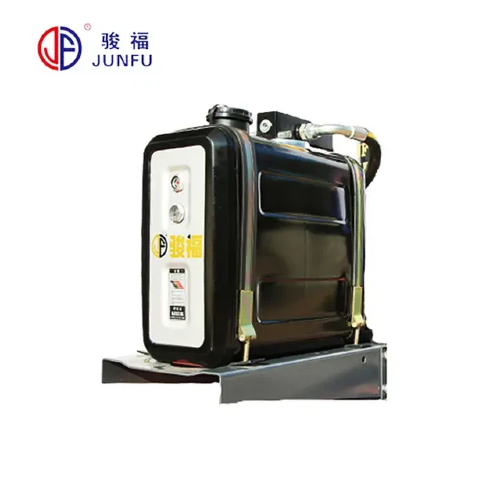
Best Practices for Maintaining the Optimal Fill Level
Regular Inspections
Regularly checking the hydraulic oil tank is vital for maintaining the optimal fill level. Operators should inspect the fluid level before each use, especially during routine maintenance or after extended periods of operation. Ensuring the tank is filled to the correct level helps prevent issues before they arise.
Adjusting Fluid Levels Appropriately
If the fluid level is too low, it should be topped up with the correct type of hydraulic fluid. If the level is too high, some fluid should be drained to prevent overfilling. Always use clean equipment to add or remove fluid to avoid contaminating the system.
Choosing the Right Fluid
The type of hydraulic fluid used also plays a role in maintaining the correct fill level. Different hydraulic systems require different fluid types, which can influence the fill level. Always ensure that the hydraulic fluid is compatible with the system’s specifications.
Environmental Considerations
Temperature fluctuations and environmental conditions can affect the fluid level. Extreme heat can cause the fluid to expand, leading to overfilling, while cold weather can cause the fluid to contract, lowering the level. Adjustments should be made based on these factors to ensure the optimal fluid level is maintained.
How the Hydraulic Oil Tank Design Affects the Optimal Fill Level
Tank Design Variations
The design and capacity of the hydraulic oil tank influence the fill level requirements. Common tank designs include:
Tank Design Type | Description | Impact on Fill Level |
Side-Mounted | Mounted on the side of the machine. | Limited space may require precise fluid levels. |
Rear-Mounted | Mounted at the rear of vehicles or machinery. | May have larger capacity but needs regular checks. |
Top-Mounted | Mounted on top of machinery. | Easier access for filling and inspecting. |
Each design type requires specific attention to fluid levels based on the available space and system needs.
Capacity and Fluid Flow Considerations
Larger hydraulic systems typically require larger tanks to hold more fluid, which helps regulate pressure and ensure proper fluid circulation. Proper tank sizing is critical for maintaining the optimal fill level. A tank that is too small may lead to underfilling, while an oversized tank can cause overfilling if not carefully monitored.
Conclusion
Maintaining the optimal fill level for a hydraulic oil tank is crucial to ensuring the longevity and efficiency of your hydraulic system. Proper fluid levels help maintain smooth operation, prevent cavitation, reduce the risk of overheating, and protect critical components from excessive wear. Regularly monitoring fluid levels, using the correct hydraulic fluid, and adjusting levels as needed are key practices that can maximize your system’s performance and minimize costly repairs.
At Shandong Junfu Hydraulic Technology Co., Ltd., we specialize in providing high-quality hydraulic oil tanks designed for maximum efficiency and durability. Our tanks are built to help you maintain optimal fluid levels, ensuring reliable and long-lasting hydraulic system performance. If you're looking to optimize your hydraulic systems and prevent potential failures, we encourage you to get in touch with us. Our team is ready to assist you with customized solutions tailored to meet your specific needs and ensure the smooth operation of your equipment.
FAQ
1. What happens if my hydraulic oil tank is overfilled?
Overfilling a hydraulic oil tank can cause high pressure, leaks, and foaming. This disrupts system efficiency and may lead to premature component failure.
2. What problems arise from underfilling a hydraulic oil tank?
Underfilling can lead to cavitation, poor lubrication, and overheating, all of which can damage pumps, seals, and other components.
3. How often should I check the fill level of my hydraulic oil tank?
It is recommended to check the fill level before each use, especially during regular maintenance. Frequent checks ensure the system operates at optimal fluid levels.
4. Can I add hydraulic fluid without draining the tank?
Yes, you can top off the fluid if the level is too low. However, always ensure the fluid is compatible with the system and use clean equipment to avoid contamination.
5. How can I prevent contamination when adjusting the hydraulic fluid level?
To prevent contamination, always store hydraulic fluid in clean, sealed containers, and use clean tools when topping off or draining the tank.


