Hydraulic systems are essential to the operation of heavy-duty equipment, from excavators to dump trucks and cranes. One of the most critical components in ensuring these systems operate efficiently and reliably is the hydraulic oil tank. Hydraulic oil tanks are not simply storage vessels; they are integral to the performance, longevity, and functionality of hydraulic systems. This article will explore the vital role hydraulic oil tanks play in heavy-duty equipment, highlighting their importance, common problems, and best practices for maintenance.
Overview of Hydraulic Systems in Heavy-Duty Equipment
Hydraulic systems use pressurized fluid to transmit power in various types of heavy-duty machinery. These systems power critical functions such as lifting, steering, and driving machinery. For these systems to operate smoothly and efficiently, hydraulic fluid must be available in adequate quantities and maintained at the correct pressure, temperature, and cleanliness levels. This is where the hydraulic oil tank plays a crucial role.
The Role of Hydraulic Oil Tanks
A hydraulic oil tank is more than just a container for hydraulic fluid. It is essential for the performance and durability of the entire hydraulic system. Hydraulic oil tanks store the fluid, ensure its cleanliness by filtering contaminants, prevent overheating by dissipating heat, and maintain pressure consistency. Without an efficient hydraulic oil tank, the entire hydraulic system would fail to function as intended, leading to increased downtime and higher operational costs.
The Function of Hydraulic Oil Tanks in Heavy-Duty Equipment
Storing Hydraulic Fluid
The most obvious function of a hydraulic oil tank is storing the hydraulic fluid that powers the system. Hydraulic fluid needs to be available in a sufficient quantity to ensure the system operates smoothly under varying load conditions. Hydraulic oil tanks are designed to hold large amounts of fluid and are typically located in easily accessible areas for maintenance.
Ensuring Fluid Flow and Pressure
The hydraulic oil tank also plays a vital role in ensuring that fluid flows smoothly throughout the system, maintaining the correct pressure. It is through the oil tank that fluid is returned to the system after circulating through hydraulic components like cylinders and pumps. If the tank fails to maintain the correct fluid pressure, it can result in insufficient power delivery to machinery components, reducing efficiency and performance.
Filtration and Contaminant Removal
Another critical function of the hydraulic oil tank is filtration. Hydraulic systems operate under high pressure, which can lead to contaminants such as dust, dirt, and metal particles entering the fluid. These contaminants can severely damage system components like pumps, valves, and seals. Hydraulic oil tanks are equipped with filters that remove contaminants before the fluid is pumped back into the system, extending the lifespan of the equipment and reducing maintenance costs.
Cooling Function
As hydraulic systems work, they generate significant amounts of heat due to friction and the high pressure involved. Without an effective cooling system, the hydraulic fluid can overheat, causing it to break down, lose viscosity, and reduce lubrication efficiency. Hydraulic oil tanks are designed with cooling mechanisms to dissipate excess heat and maintain fluid at an optimal temperature for performance and durability.
Why Hydraulic Oil Tanks are Crucial for Heavy-Duty Equipment Performance
Maintaining Consistent Fluid Supply
A hydraulic oil tank ensures that there is always a constant supply of hydraulic fluid available to the system. Without this steady supply, the system would experience interruptions, resulting in machinery downtime. The tank serves as a reservoir that keeps the fluid level consistent, making it easier for operators to manage hydraulic system performance over time.
Preventing Overheating and Fluid Breakdown
When hydraulic fluid overheats, it loses its effectiveness as a lubricant and power-transmitting medium. Overheated fluid can cause seals and components to wear down prematurely, leading to costly repairs and breakdowns. Hydraulic oil tanks help regulate fluid temperatures by dissipating heat and preventing fluid degradation, thus prolonging the life of the hydraulic system.
Supporting High-Pressure Systems
Heavy-duty equipment often requires hydraulic systems that operate under very high pressure. Hydraulic oil tanks are designed to withstand these pressures while ensuring fluid stability and preventing leaks or damage. The oil tank’s ability to maintain fluid pressure ensures that the hydraulic system continues to function correctly, even during high-load operations.
Reducing Wear and Tear
By ensuring smooth fluid circulation, filtration, and proper cooling, hydraulic oil tanks significantly reduce wear and tear on pumps, cylinders, and valves. Keeping the fluid clean and within the correct temperature range reduces friction and heat, leading to less wear on internal components. This helps avoid breakdowns and ensures that the equipment operates at peak performance for longer periods.
Common Problems Without Proper Hydraulic Oil Tanks
Cavitation and Air Contamination
Cavitation occurs when air enters the hydraulic fluid, creating bubbles that disrupt the fluid’s ability to transmit power effectively. This problem often arises when the hydraulic oil tank is underfilled, allowing air to enter the system. Cavitation can lead to pump damage and severe operational inefficiencies. Additionally, if the hydraulic oil tank does not adequately filter contaminants, air and debris can enter the system, causing further damage.
System Overheating
Without an efficient hydraulic oil tank with cooling capabilities, the hydraulic system can easily overheat, especially during heavy-duty operations. Overheating not only causes fluid breakdown but can also lead to component failure and loss of efficiency. The inability to manage fluid temperatures is one of the most common causes of hydraulic system failures.
Increased Maintenance Costs
Neglecting the maintenance of the hydraulic oil tank can lead to a variety of problems such as contamination, cavitation, and overheating. As a result, the entire hydraulic system may require more frequent repairs and maintenance. This increases the overall maintenance costs and reduces the equipment's operational uptime.
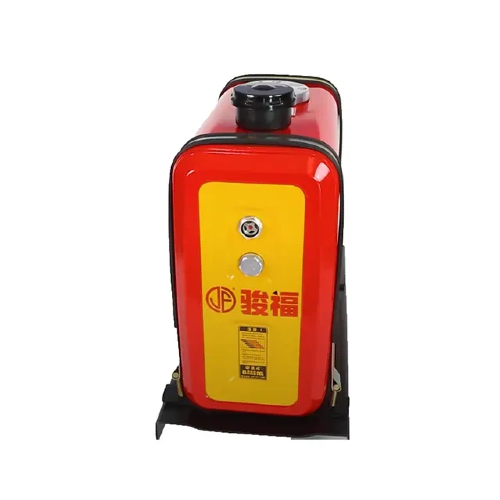
Key Features to Look for in Hydraulic Oil Tanks for Heavy-Duty Equipment
Durability and Material
When selecting a hydraulic oil tank, it is essential to consider the materials used in its construction. Steel and aluminum are the most commonly used materials. Steel tanks offer strength and durability, while aluminum tanks are lighter and resistant to corrosion. Choosing the right material depends on the operating environment, with harsher conditions requiring more durable tanks.
Material Type | Benefits | Drawbacks |
Steel | Strong, durable, withstands high pressures | Heavier, may corrode over time |
Aluminum | Lightweight, resistant to corrosion | Less durable than steel |
Tank Size and Capacity
Choosing the correct tank size is crucial for optimal system performance. If the tank is too small, it may not be able to supply enough fluid for the hydraulic system, leading to underfilling and cavitation. Conversely, an oversized tank may take up unnecessary space and increase the complexity of the system. The tank size should be proportionate to the system's hydraulic fluid requirements.
Filtration System
A high-quality filtration system is a must for preventing contaminants from entering the hydraulic system. Look for tanks equipped with filters that can handle the contaminants typical of heavy-duty equipment. A good filtration system reduces the risk of internal damage to the pump, valves, and cylinders, helping to prolong the life of the hydraulic system.
Cooling Systems
In heavy-duty applications, hydraulic fluid can easily overheat due to the high pressures involved. Therefore, hydraulic oil tanks should be equipped with cooling systems to prevent overheating. Cooling mechanisms help maintain the fluid at an optimal temperature, ensuring that the hydraulic system operates efficiently and that the fluid retains its lubricating properties.
Mounting and Accessibility
The mounting type and accessibility of the hydraulic oil tank are important considerations. Tanks should be mounted securely to avoid vibrations that could cause damage, and they should be easily accessible for routine maintenance and fluid inspections. Proper placement ensures the tank operates optimally and facilitates easy fluid checks and changes.
How to Maintain Hydraulic Oil Tanks in Heavy-Duty Equipment
Regular Fluid Level Checks
Monitoring and maintaining the correct fluid levels in a hydraulic oil tank is essential. Hydraulic fluid should be checked regularly, especially before operation, to ensure that it is within the optimal range. Fluid levels should also be checked during routine maintenance or after prolonged equipment usage.
Filter Maintenance
The filters in the hydraulic oil tank should be cleaned or replaced regularly to ensure they effectively remove contaminants from the hydraulic fluid. Clogged filters can cause fluid flow problems, leading to inefficient system operation. Regular filter maintenance helps prevent contamination and ensures the hydraulic system operates at its best.
Periodic Tank Inspections
Hydraulic oil tanks should be inspected periodically for signs of damage, leaks, or corrosion. Early detection of potential issues, such as cracks or rust, can help prevent more serious problems down the line. Regular inspections also allow for checking the condition of seals, gaskets, and other critical components.
Fluid Replacement
Regularly replacing hydraulic fluid is an essential part of maintaining a healthy hydraulic system. Over time, hydraulic fluid breaks down due to heat and contamination. Replacing the fluid helps ensure that the system operates efficiently, reducing the risk of overheating and component wear.
Conclusion
The hydraulic oil tank is a vital component of any hydraulic system, especially in heavy-duty equipment. It plays a crucial role in the proper storage, filtration, and cooling of hydraulic fluid, which are essential for maintaining system efficiency, optimal performance, and long-term durability. By choosing the right hydraulic oil tank, conducting regular inspections, and using the appropriate hydraulic fluid, operators can ensure their heavy-duty equipment runs reliably, minimizing downtime and reducing costly repairs.
At Shandong Junfu Hydraulic Technology Co., Ltd., we specialize in providing high-quality hydraulic oil tanks designed for performance and longevity. Our tanks are built with durability in mind, offering excellent filtration and cooling capabilities to keep your hydraulic systems running smoothly. If you’re looking to enhance the efficiency and reliability of your equipment, we invite you to reach out to us. Our team is ready to provide customized solutions to meet your specific hydraulic system needs, ensuring optimal performance and minimizing operational disruptions.
FAQ
1. Why is a hydraulic oil tank necessary for heavy-duty equipment?
Hydraulic oil tanks are essential for storing, cooling, and filtering hydraulic fluid. They ensure a steady fluid supply, prevent overheating, and protect components from wear and damage.
2. What happens if a hydraulic oil tank is not maintained?
Without proper maintenance, hydraulic oil tanks can lead to fluid contamination, overheating, cavitation, and system inefficiencies. This increases maintenance costs and decreases equipment performance.
3. How do hydraulic oil tanks contribute to high-pressure systems?
Hydraulic oil tanks help maintain proper fluid pressure within high-pressure systems, ensuring that the hydraulic system performs efficiently even under heavy load conditions.
4. What are the signs that my hydraulic oil tank needs maintenance?
Signs include fluid leaks, overheating, decreased performance, strange noises, or visible contamination. Regular inspection and maintenance can catch these issues early.
5. How often should I check my hydraulic oil tank?
It’s recommended to check the hydraulic oil tank’s fluid levels and condition at least once a week or before using heavy-duty equipment to ensure the system operates smoothly.


