Choosing the right hydraulic oil tank for your equipment is crucial for maintaining system efficiency, performance, and longevity. Whether you're operating construction machinery, agricultural equipment, or industrial machinery, the hydraulic oil tank plays a pivotal role in keeping your hydraulic system running smoothly. This article will guide you through the essential factors to consider when selecting the right hydraulic oil tank, ensuring your equipment operates at its best.
The Importance of Hydraulic Oil Tanks
Hydraulic oil tanks are the heart of a hydraulic system, storing the hydraulic fluid required to power a range of machinery and tools. The hydraulic fluid is essential for transmitting force and energy within the system, and the tank ensures that this fluid is clean, properly pressurized, and maintained at an optimal temperature.
The hydraulic oil tank doesn’t just hold fluid; it filters contaminants, cools the fluid, and ensures a steady supply of hydraulic fluid to the system. Choosing the right hydraulic oil tank is crucial, as it directly affects equipment efficiency, reduces downtime, and prevents costly repairs.
Why Choosing the Right Tank Matters
The wrong hydraulic oil tank can cause inefficiency, increase maintenance costs, and shorten the lifespan of your equipment. Ensuring you choose a tank that matches your system's specifications and operational needs is essential for the smooth functioning of your equipment. The right tank will prevent issues such as cavitation, overheating, and contamination, which can all lead to equipment failure.
Factors to Consider When Choosing a Hydraulic Oil Tank
Choosing the right hydraulic oil tank requires understanding several key factors, including size, material, filtration, cooling systems, and installation. Let’s break down these factors to help you make the best choice for your equipment.
Tank Size and Capacity
Matching Tank Size with Equipment Needs
The first factor to consider is the tank size and capacity. The size of the hydraulic oil tank must align with the fluid requirements of the hydraulic system. A tank that is too small may lead to overheating and insufficient fluid supply, while an oversized tank can take up unnecessary space and create operational inefficiencies.
When determining the correct size, you need to consider the following:
System’s flow rate: The speed at which fluid flows through the system.
Pump capacity: The size and performance of the pump will determine the amount of fluid needed.
Fluid usage: The rate at which the system consumes fluid during operation.
Impact of Over- or Under-Sized Tanks
Issue | Over-Sized Tank | Under-Sized Tank |
Fluid Flow | Can cause inefficient fluid circulation | Leads to insufficient fluid flow, affecting system performance |
Pressure Maintenance | May affect pressure consistency | Can lead to pressure drop and cavitation |
Space and Weight | Takes up more space than needed | Doesn’t provide enough fluid volume |
An accurately sized hydraulic oil tank ensures optimal performance, reduces system strain, and improves the overall efficiency of your equipment.
Material Selection
Steel vs. Aluminum
The material of the hydraulic oil tank plays an essential role in its durability, strength, and resistance to environmental factors. The two most common materials for hydraulic oil tanks are steel and aluminum. Each material has its benefits and drawbacks.
Material Type | Benefits | Drawbacks |
Steel | Strong, durable, can withstand high pressures | Heavier, may corrode over time |
Aluminum | Lightweight, resistant to corrosion | Less durable under extreme conditions |
For harsh environments where corrosion resistance is critical, aluminum is often the preferred material. However, steel offers greater strength and is suitable for applications where durability under high pressure is essential.
Corrosion Resistance
If the hydraulic system is used in environments prone to moisture, salt, or chemicals, you need a tank that resists corrosion. Many aluminum tanks are naturally corrosion-resistant, while steel tanks may require additional coatings to prevent rust and deterioration.
Durability and Strength
The durability of the material depends on the operating conditions of your equipment. Steel tanks are generally better suited for high-pressure systems and harsh industrial environments. However, if your equipment needs to be lightweight and is used in less demanding environments, an aluminum tank may be the best option.
Filtration System
Role of Filtration in Maintaining System Health
The filtration system in a hydraulic oil tank is vital for removing contaminants such as dirt, metal particles, and moisture from the hydraulic fluid. Contaminants can damage sensitive components like pumps, valves, and cylinders, leading to inefficient operation and costly repairs.
Types of Filters
There are several types of filters used in hydraulic oil tanks:
Suction Filters: These filters remove large particles before the fluid enters the pump.
Return Filters: Positioned after the fluid exits the system, these filters remove contaminants before the fluid re-enters the tank.
Pressure Filters: These filters help maintain consistent fluid pressure while removing contaminants.
Ease of Maintenance
Look for a hydraulic oil tank with a filtration system that is easy to access and maintain. Regular filter cleaning or replacement is essential to keep the system running smoothly. A well-designed filter can also help extend the life of the hydraulic fluid and prevent costly breakdowns.
Cooling System
Need for Cooling in Heavy-Duty Equipment
Hydraulic systems generate a lot of heat during operation, especially in heavy-duty equipment. Without an effective cooling system, the hydraulic fluid can overheat, causing the oil to degrade, lose viscosity, and increase friction between system components. Overheated fluid can also lead to seal failure and loss of lubrication.
Types of Cooling Systems
Hydraulic oil tanks may come with built-in cooling systems to regulate fluid temperature. The common cooling options include:
External Coolers: Often used when the tank is mounted remotely, external coolers use air or water to lower the fluid temperature.
Internal Cooling Coils: These coils are immersed in the hydraulic oil tank and provide cooling by circulating fluid through cooling channels.
Choosing the Right Cooling Solution
When selecting a cooling system, consider factors such as:
Environmental temperature: Extreme temperatures may require a more robust cooling solution.
Fluid viscosity: High-viscosity fluids may require more cooling.
System workload: More intensive operations generate more heat, requiring enhanced cooling.
Mounting and Installation
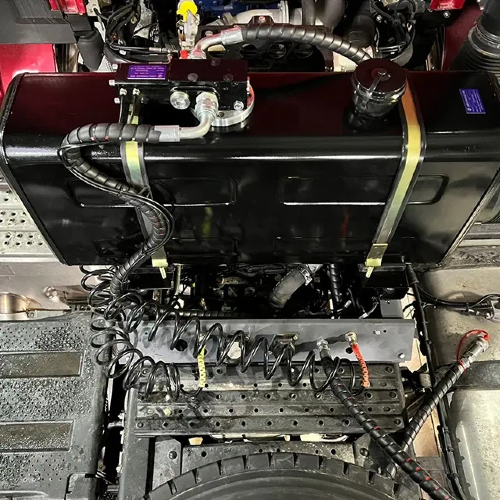
Mounting Type (Side, Rear, Top)
The mounting type of the hydraulic oil tank depends on the available space in your equipment and the design of the hydraulic system. The common mounting options include:
Side-mounted tanks: Commonly used in construction machinery where side space is more readily available.
Rear-mounted tanks: Often used in trucks or machines where rear space allows for larger tank sizes.
Top-mounted tanks: Mounted above the machinery, providing easy access for maintenance and cooling.
Ease of Installation
The ease of installation depends on the tank’s shape, size, and the design of the equipment. Ensure that the tank is easy to install and securely mounted to avoid movement during operation, which could cause leaks or system instability.
Safety and Accessibility
The tank should be mounted in such a way that it is easy to access for fluid checks, maintenance, and repairs. Additionally, it should be securely fastened to avoid accidents caused by tank detachment or movement.
Environmental Considerations
Operating Environment
The environmental conditions in which your equipment operates should influence your choice of hydraulic oil tank. For example, if your equipment is used in extremely hot or cold conditions, the oil tank must be able to maintain the fluid within optimal temperature ranges.
Temperature Control
Temperature fluctuations can affect the performance of hydraulic fluid. Consider hydraulic oil tanks with built-in cooling or heating systems to ensure that the fluid remains within the proper temperature range for peak performance.
Corrosion Resistance
If the equipment operates in environments where moisture, salt, or chemicals are prevalent (e.g., coastal areas or industrial sites), it’s essential to choose a corrosion-resistant material. Aluminum is naturally corrosion-resistant, while steel tanks may need additional treatments.
Cost and Budget Considerations
Initial vs. Long-Term Costs
Choosing a hydraulic oil tank involves balancing upfront costs with long-term value. While high-quality tanks may have a higher initial cost, they can save money in the long run by reducing maintenance costs and preventing breakdowns.
Factors Affecting Tank Price
The price of a hydraulic oil tank depends on:
Material: Steel tanks are generally more expensive than aluminum tanks.
Capacity and size: Larger tanks tend to be more expensive.
Cooling and filtration systems: Tanks with advanced cooling or filtration systems will have a higher price tag.
Cost-Efficiency
It’s important to consider both the upfront cost and long-term maintenance savings when selecting a hydraulic oil tank. A cheaper tank may lead to higher maintenance costs due to poor filtration or inadequate cooling, which can affect system performance.
How to Calculate the Right Tank Size
Basic Calculation Guidelines
Calculating the right tank size is essential for maintaining efficient operation. Use the following basic formula:
Tank size (gallons) = Flow rate (GPM) × System capacity factor × Operating time
This calculation gives you the minimum size required for the system to function efficiently.
Using Manufacturer Guidelines
Refer to your equipment manufacturer’s specifications for recommended tank size. This will give you a solid starting point to determine the appropriate hydraulic oil tank size for your system.
Considerations for Future Expansion
When choosing a hydraulic oil tank, consider the potential for future system upgrades. Choosing a slightly larger tank can give you flexibility if the equipment needs to handle additional power or fluid capacity in the future.
Maintaining Your Hydraulic Oil Tank
Regular Inspections
Regular inspection of your hydraulic oil tank is crucial to ensuring its continued performance. Check for leaks, corrosion, and signs of contamination in the fluid. Periodic inspections also allow you to assess the condition of the filtration and cooling systems.
Fluid Level Management
Maintaining the correct fluid level is essential. Regularly check fluid levels and top up when necessary to ensure consistent fluid circulation throughout the system.
Cleaning and Filter Maintenance
Cleaning the hydraulic oil tank and replacing filters regularly helps prevent contamination and maintain efficient system performance. A clean tank ensures the longevity of your hydraulic components.
Conclusion
Choosing the right hydraulic oil tank is essential for maximizing the performance, efficiency, and lifespan of your equipment. Key factors to consider include tank size, material, filtration capabilities, cooling mechanisms, and the specific environmental conditions your equipment operates in. A properly selected hydraulic oil tank ensures that your system runs smoothly, preventing downtime and reducing maintenance costs.
At Shandong Junfu Hydraulic Technology Co., Ltd., we specialize in providing high-quality hydraulic oil tanks designed to meet the demands of various industries. Our tanks are built with durable materials, advanced filtration systems, and effective cooling features to enhance the reliability and performance of your hydraulic system. Whether you are looking for standard or custom solutions, our team is ready to help you choose the best hydraulic oil tank tailored to your specific needs. Contact us today to learn more about our products and how we can support the longevity and efficiency of your equipment.
FAQ
1. How do I choose the right hydraulic oil tank size?
The right tank size depends on your system’s flow rate, pressure, and fluid requirements. Refer to your manufacturer’s specifications and consult with professionals for accurate sizing.
2. What material should my hydraulic oil tank be made of?
If your system operates in harsh conditions, choose aluminum for its corrosion resistance. If strength and durability are the priority, steel is the better option.
3. How often should I maintain my hydraulic oil tank?
Regular inspections should be performed at least every six months. However, more frequent checks are recommended for equipment that operates continuously or in harsh conditions.
4. Can I install a hydraulic oil tank myself?
Installation can be done yourself if you have the necessary technical expertise. However, it is always recommended to consult professionals to ensure proper installation and safety.
5. What are the signs that my hydraulic oil tank needs maintenance?
Common signs include leaks, unusual fluid levels, overheating, contamination in the hydraulic fluid, and poor system performance.


