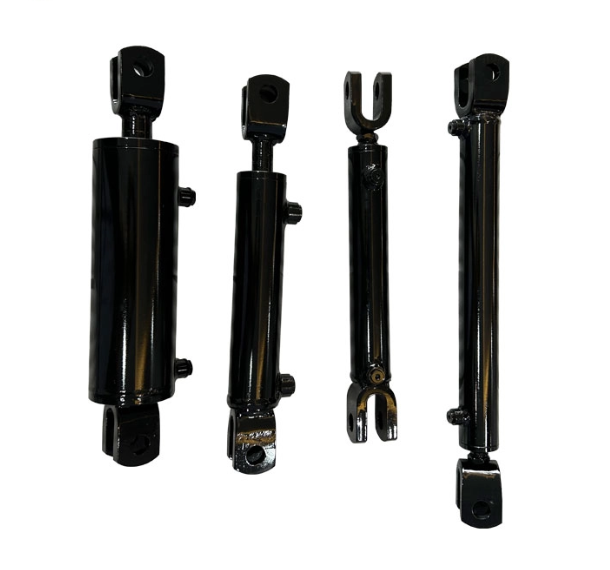
A larger cylinder is not always the safer choice. Poor matching can reduce lift, damage seals, and strain the vehicle frame. The right tipping cylinder must fit the load, body geometry, hydraulic system, and working site. This guide explains how to compare each factor before ordering.
Key Takeaways
●Choose a tipping cylinderby actual lifting demand, not payload alone. Body length, hinge position, load center, and mounting geometry change the force required.
●Confirm the target tipping angle before selecting stroke. A longer stroke cannot ensure safe unloading when the mounting points are wrong.
●Match cylinder pressure and oil volume to the pump, valve, reservoir, hoses, and power take-off.
●Compare front-end, underbody, and bracket-mounted designs according to space, body size, payload, and stability needs.
●Check closed length, extended length, bore, stage count, mounting dimensions, port position, and installation clearance.
●Consider dust, moisture, temperature, side loads, cycle frequency, and uneven ground when reviewing durability.
●Ask for drawings, pressure-test records, installation guidance, replacement seals, warranty terms, and technical support.
Start With the Actual Lifting Requirement
The first question is not, “How many tons can the truck carry?” It is, “How much force must the cylinder produce at the hardest point?” The highest demand often occurs when the body first leaves the chassis. The cylinder then works at an unfavorable angle while the load remains almost horizontal.
Payload is only one input. Include body weight, material weight, load distribution, hinge position, and load center. Longer bodies create greater leverage. Wet material near the front can further raise demand.
Use a suitable design margin. Real vehicles face uneven loading, buildup, vibration, and changing site conditions.
Record the Essential Vehicle Data
Prepare these details before requesting a recommendation:
●Tipper body dimensions and empty weight
●Maximum expected payload
●Rear hinge and estimated load-center positions
●Desired tipping angle
●Available mounting space
●Chassis and cross-member layout
●Existing pressure and pump flow
●Material type and operating environment
These measurements let the supplier evaluate force, geometry, stroke, and installation together.
Tip: Weigh the empty body when possible. An estimated body weight can cause a major sizing error.
Choose the Correct Tipping Cylinder Type
Front-End Telescopic Cylinders
A front-end cylinder mounts near the front of the tipper body. Nested stages provide long travel while keeping the retracted length compact. This arrangement often suits longer bodies, high tipping angles, and demanding rear-tipping work.
Alignment is critical. The cylinder must stay centered, while its mounts resist twisting. Confirm cab clearance, body reinforcement, and the path of every stage.
Underbody Telescopic Cylinders
An underbody cylinder fits beneath the tipper body. It is useful when front space is limited or the vehicle has a shorter body. The compact position can support rear tipping and some side-tipping layouts.
A small mounting change can affect starting force and final angle. Check ground clearance, axle movement, cross-members, hose routing, and service access. Underbody designs combine compact installation with extended travel.
Cylinders With Hoist Brackets
A bracket-mounted hoist combines the cylinder and lifting frame. The frame transfers force between the chassis and tipper body. It can simplify installation when the pivot points and support structure are engineered as one unit.
Compare bracket width, pivot spacing, lift curve, rated load, and reinforcement needs. A bracket kit will not fit every chassis carrying the same payload.
Application-Specific Cylinders
Farm trailers, refuse vehicles, mining trucks, and unloading platforms face different conditions. Choose by operating duty, not vehicle name. Similar trucks may still require different seals, strokes, mounts, or surface treatments.
Match Stroke to Body Geometry
Stroke controls extension, but geometry controls the result. Required stroke depends on mounting distance, hinge position, body length, cylinder angle, and target tipping angle.
Define the discharge need first. Grain may flow at a lower angle than wet clay. Too little extension leaves material inside, while excessive extension may overload hinges.
Check Closed and Extended Lengths
Closed length must fit while the body rests on the chassis. Allow clearance for pins, hoses, brackets, and cross-members.
Extended length must create the required angle without reaching a harmful limit. Review the entire lifting path and keep mounting points aligned.
Select Bore and Stage Count
Bore size affects force at a given pressure. A larger effective area creates more thrust, but it also needs more oil. This changes reservoir size, pump demand, cycle time, and cost.
More stages provide longer travel from a shorter package. They also add sealing and guiding surfaces. Use only the stages required by the vehicle geometry.
Note: Never copy stroke from an old cylinder when the body, hinge, or chassis has changed.
Match the Complete Hydraulic System
Atipping cylinder cannot work correctly when the pump, valve, reservoir, or hoses are undersized.
Working Pressure
Confirm normal pressure, relief settings, and the maximum pressure of every component. Higher pressure is not a safe fix for an undersized cylinder. It can increase leakage, heat, hose stress, and structural loading.
The cylinder should provide enough starting force at the planned pressure. Normal lifting should not require repeated relief-valve operation.
Pump Flow and Tipping Speed
Pump flow affects extension speed. Low flow creates slow cycles. Excessive flow may cause harsh movement, heat, or poor stage control.
Estimate the oil needed for full extension. Compare it with the desired lifting time. The pump and power take-off must deliver suitable flow under load.
Reservoir, Valves, and Hoses
The reservoir needs enough usable oil for full extension, expansion, and return flow. Check valve capacity, pressure rating, controls, and ports. Route hoses away from heat, rotating parts, sharp edges, and pinch points.
Slow lifting does not always mean the cylinder is too small. Low oil, restricted lines, pump wear, contaminated fluid, seal leakage, or valve faults can reduce speed.
Evaluate Construction and Durability
The cylinder must resist pressure, vibration, contamination, and changing loads. Review material and manufacturing quality instead of relying on paint finish or stated tonnage.
Tubes, Rods, and Stage Guidance
Tubes need strength, straightness, and good surface quality. Rods and stages need wear-resistant surfaces. Stage overlap and guides improve stability, but they cannot make side loading acceptable.
Poor surface quality may damage seals, raise friction, and cause uneven extension. Misaligned brackets can also place damaging lateral force on the cylinder stages.
Seals and Contamination Control
Seals must hold pressure across the expected temperature range. Wipers block dust, mud, and water. Ask whether replacement seal kits are available, since documented parts support improves lifetime value.
Seal quality becomes more important in mining, construction, agriculture, and waste handling. Contaminated hydraulic oil can damage internal surfaces and reduce lifting performance.
Corrosion and Duty Cycle
Outdoor vehicles face rain, road salt, fertilizers, and abrasive dirt. Review rod protection, coatings, and storage needs. Mining, port, and agricultural work often need stronger protection than clean factory use.
Cycle frequency also matters. A trailer tipping twice daily has a different duty from a truck unloading throughout a shift. Give the supplier an honest cycle estimate.
Tip: Send chassis and worksite photographs. They can reveal clearance and contamination risks that measurements miss.
Verify Installation Compatibility
Even a correctly sized tipping cylinder can fail on weak or misaligned structures. Inspect the rear hinge, chassis rails, subframe, body floor, cross-members, and brackets before installation.
Pins must match the mounting eyes or trunnions. Brackets should hold the cylinder in its intended line of force. Do not force it into position by pulling misaligned brackets together.
Check the Full Movement Path
Raise the unloaded body slowly during commissioning. Watch the cylinder, pins, hoses, brackets, and body alignment. Check final angle, smooth return, leaks, unusual noise, and unwanted contact. Repeat the inspection after the first loaded cycles.
The cylinder should not contact the cab, reservoir, chassis, axle, suspension, or nearby equipment. Hoses must remain free from pulling, rubbing, twisting, and pinching throughout the complete tipping cycle.
Use Customization When Needed
Custom stroke, bore, mounting ends, port direction, coating, and bracket geometry can solve nonstandard fit problems. Customization is often safer than changing the chassis around a convenient stock cylinder.
Provide drawings and verified measurements. State which dimensions are fixed and which can change. This reduces repeated sampling and approval delays.
Compare Suppliers Before Ordering
Price matters, but an incomplete specification can make the lowest quotation expensive. Compare suppliers using the same technical information and scope.
Ask for dimensional drawings, pressure limits, stroke, closed length, mounting details, oil-port information, oil-volume needs, and installation instructions. Confirm whether the quote includes only the cylinder or also brackets, pins, valves, pumps, tanks, hoses, and controls.
Review pressure tests, leakage checks, dimensional inspection, traceability, warranty terms, replacement parts, and technical support. A capable supplier should ask about the vehicle instead of quoting from payload alone.
Selection Area
Information to Confirm
Risk If Ignored
Load
Body weight, payload, load center
Insufficient starting force
Geometry
Hinge, mounts, tipping angle
Wrong stroke or unstable lift
Hydraulics
Pressure, flow, oil volume
Slow cycles or overheating
Installation
Length, clearance, pins
Interference or side loading
Environment
Dust, moisture, temperature
Early seal or surface damage
Support
Drawings, tests, spare parts
Longer repair delays
Avoid Common Selection Mistakes
Choosing by payload alone ignores leverage, body weight, cylinder angle, and starting force. Copying a cylinder from a similar truck is also risky. Small differences in body length or mounting position can change performance.
Do not select the longest stroke without checking geometry. Do not raise system pressure to hide poor sizing. Avoid mixing pumps, valves, hoses, and cylinders without reviewing flow and pressure compatibility.
Side loading can come from uneven material, sloped ground, a twisted chassis, worn hinges, or poor bracket alignment. A tipping cylinder is a lifting actuator. It should not stabilize a leaning body.
Finally, consider maintenance access. Pins, ports, hoses, grease points, and seals should remain reachable. Good access encourages inspection and reduces repair time.
Conclusion
Choosing the right tipping cylinder requires accurate load, geometry, pressure, stroke, and mounting data. Shandong junfu hydraulic technology Co.,Ltd.supplies durable cylinders and complete hydraulic solutions for varied unloading needs. Its customization, quality control, and service support help improve lifting stability, installation fit, and long-term operating value.
FAQS
Q: What size tipping cylinder do I need?
A: Size it from load, body geometry, pressure, stroke, and tipping angle.
Q: How do I choose a tipping cylinder stroke?
A: Calculate the tipping cylinder stroke from mounting points and target body angle.
Q: Why does a tipping cylinder lift slowly?
A: The tipping cylinder may have low flow, leakage, restrictions, or pump wear.
Q: Is a front-end cylinder better than an underbody type?
A: It depends on payload, body length, space, and mounting geometry.
Q: How much does a tipping cylinder cost?
A: Price varies by size, stages, materials, mounting, and customization.