Hydraulic oil tanks are critical components in hydraulic systems, responsible for storing and supplying hydraulic fluid to ensure the smooth operation of various machinery and equipment. Understanding the importance and functions of a hydraulic oil tank is essential for selecting the right tank for your machinery. In this article, we will explore the role, functionality, types, applications, and how to choose the right hydraulic oil tank for your needs.
Introduction to Hydraulic Oil Tanks
What is a Hydraulic Oil Tank?
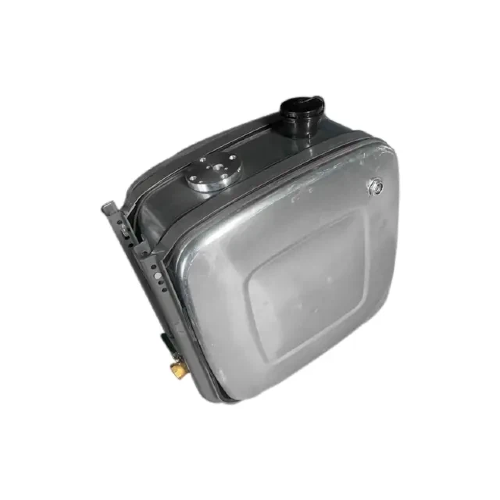
A hydraulic oil tank is a reservoir used in hydraulic systems to store and manage hydraulic fluid. The tank serves as a holding vessel where hydraulic oil is stored, filtered, and circulated within the hydraulic circuit to maintain the proper operation of machinery such as dump trucks, construction equipment, and agricultural machinery.
Purpose of Hydraulic Oil Tanks
The primary purpose of a hydraulic oil tank is to provide a constant supply of clean hydraulic fluid to the hydraulic components. The oil tank also helps to cool the hydraulic fluid, remove contaminants, and maintain pressure within the hydraulic system. Without an efficient hydraulic oil tank, the system can experience overheating, contamination, and even failure.
Why Hydraulic Oil Tanks are Important?
Hydraulic systems are essential in industries like construction, manufacturing, and transportation, where high-pressure machinery is used to perform tasks such as lifting, loading, and digging. A hydraulic oil tank is important because it ensures that the hydraulic system operates smoothly and efficiently, preventing downtime and increasing the overall productivity of the equipment.
How Does a Hydraulic Oil Tank Work?
Basic Functionality of a Hydraulic Oil Tank
A hydraulic oil tank works by storing hydraulic fluid that is continuously cycled throughout the hydraulic system. When the fluid is pumped from the tank, it travels through hoses to the hydraulic components such as cylinders, valves, and motors. Once the fluid has been used to power the machinery, it returns to the tank for filtering, cooling, and storage.
Oil Storage and Return Process
Oil Supply: The hydraulic pump draws fluid from the tank and pushes it through the hydraulic lines to power the system.
Fluid Return: After the oil has completed its function in the system, it returns to the tank where it is filtered and cooled for reuse.
Cooling and Filtration
Hydraulic fluid tends to heat up during usage, which is why cooling is an essential function of the hydraulic oil tank. The tank helps dissipate heat, ensuring that the oil remains within the correct operating temperature range. Additionally, the oil tank typically includes a filtration system to remove contaminants, such as dirt and debris, that can damage the hydraulic components.
Key Components of a Hydraulic Oil Tank
Reservoir Tank
The reservoir tank is the main part of the hydraulic oil tank, where the hydraulic fluid is stored. It is designed to withstand pressure and prevent leaks. Depending on the system, tanks can come in various shapes and sizes.
Ventilation System
Hydraulic oil tanks include a ventilation system to ensure that the tank does not build up excessive air pressure. The system allows air to escape from the tank to prevent damage caused by pressure buildup.
Breather and Filter
A breather is used to allow air to enter the tank during fluid intake. It helps balance the air pressure while also preventing dust and contaminants from entering the tank. Filters are installed in the tank to clean the hydraulic fluid before it returns to the system, ensuring it remains free of debris.
Oil Level Gauge
An oil level gauge is installed to monitor the amount of hydraulic oil in the tank. It helps prevent overfilling or running the system with insufficient fluid, both of which can lead to damage or malfunction.
Drain and Return Ports
Drain ports and return ports are vital components that manage the flow of oil into and out of the tank. Properly sized and positioned ports ensure that the oil flows smoothly and that any contaminants are properly drained out of the system.
Types of Hydraulic Oil Tanks
Steel Hydraulic Oil Tanks
Steel hydraulic oil tanks are one of the most commonly used tanks in heavy machinery. Steel is durable, strong, and resistant to damage, making it ideal for use in demanding environments. Steel tanks are often used for industrial applications and are designed to handle high pressures.
Aluminum Hydraulic Oil Tanks
Aluminum hydraulic oil tanks are lightweight and corrosion-resistant, making them an excellent choice for mobile equipment, including dump trucks and agricultural machinery. Aluminum is often used in tanks for vehicles that need to be lightweight and have high resistance to corrosion.
Customizable Hydraulic Oil Tanks
In many cases, companies provide custom hydraulic oil tanks. These tanks can be tailored to meet the specific needs of a particular machine or hydraulic system. Customization may involve adjusting the tank's size, material, or mounting type to ensure it fits seamlessly with the equipment.
Mounting Types of Hydraulic Oil Tanks
The hydraulic oil tank can be mounted in various ways depending on the application. The main types of mounting include:
Mount Type | Description | Common Use Cases |
Rear Mount | Mounted at the rear of the vehicle or machine | Dump trucks, trailers |
Side Mount | Mounted on the side of the equipment | Construction machinery |
Top Mount | Mounted on top of machinery | Agricultural equipment |
Applications of Hydraulic Oil Tanks
Hydraulic Oil Tanks in Dump Trucks
In dump trucks, hydraulic oil tanks play a crucial role in storing and supplying the fluid that operates the lifting system. The tank ensures that the hydraulic fluid is adequately cooled and filtered before being sent to the hydraulic cylinders that control the dump bed.
Hydraulic Oil Tanks in Construction Equipment
Hydraulic oil tanks are widely used in construction machinery such as excavators, bulldozers, and cranes. These machines rely on hydraulic systems to perform heavy lifting and digging. The oil tank ensures the hydraulic fluid is maintained at the right pressure and temperature to keep the machinery performing at its best.
Hydraulic Oil Tanks in Agricultural Equipment
Agricultural machinery, including tractors and harvesters, also depends on hydraulic oil tanks to operate efficiently. These machines often face harsh environments, so the oil tank must be durable and resistant to corrosion, while also maintaining oil cleanliness to prevent system failure.
Hydraulic Oil Tanks in Industrial Machinery
In industrial machinery, hydraulic systems are used for precision tasks such as pressing, lifting, and manufacturing. A reliable hydraulic oil tank ensures that the fluid is clean, cool, and free from contaminants, allowing for efficient and safe operation.
Factors to Consider When Choosing a Hydraulic Oil Tank
Tank Size and Capacity
Choosing the right tank size is critical. The capacity of the hydraulic oil tank should be matched to the size and pressure requirements of the hydraulic system. A tank that is too small can lead to overheating, while an oversized tank may take up unnecessary space and increase costs.
Material Durability
The material of the hydraulic oil tank plays a significant role in its durability. Steel tanks are strong and resistant to wear, while aluminum tanks are lightweight and resistant to corrosion. The choice of material should depend on the operating environment and the specific requirements of the equipment.
Mounting and Installation
The mounting type should be selected based on the available space and the design of the machine. Ensure that the tank is securely mounted and accessible for maintenance.
Filtration and Cooling
Proper filtration and cooling are essential to maintain the integrity of the hydraulic fluid. A tank with built-in filters and a cooling system will help extend the life of the oil and the hydraulic system.
Maintenance Requirements
Hydraulic oil tanks require regular maintenance to ensure they are functioning properly. Look for tanks that provide easy access for cleaning filters, monitoring oil levels, and draining contaminants.
Common Issues with Hydraulic Oil Tanks
Leaking
Leaking is one of the most common issues with hydraulic oil tanks. Leaks can occur due to damaged seals, corrosion, or improper installation. It is important to regularly inspect the tank and address any leaks promptly to avoid contamination and loss of fluid.
Contamination
Contamination of the hydraulic oil is another common issue that can affect the performance of the system. Dirt, water, and air can all enter the tank and degrade the oil, leading to premature wear of hydraulic components. A well-maintained filtration system can help prevent contamination.
Overheating
Overheating occurs when the hydraulic fluid exceeds the optimal operating temperature. This can lead to reduced oil life and system efficiency. Proper cooling systems within the tank can help mitigate this issue.
Why Choose Junfu Hydraulic Oil Tanks?
High-Quality Materials
Junfu hydraulic oil tanks are made from high-quality stainless steel and aluminum, ensuring that they are durable and resistant to corrosion. These materials are ideal for heavy-duty machinery and equipment that operate in demanding conditions.
Customization Options
Junfu offers customizable hydraulic oil tanks that can be tailored to meet the specific needs of your machinery. Whether you need a different size, material, or mounting style, Junfu provides solutions that fit your exact requirements.
International Standards
Junfu’s hydraulic oil tanks are manufactured to meet international standards, including ISO 9001 and IATF 16949 certifications, ensuring the highest level of quality and reliability.
Reliability and Durability
With years of experience and a commitment to quality, Junfu’s hydraulic oil tanks are designed to provide long-lasting performance and reliability, ensuring that your hydraulic system runs smoothly and efficiently.
Conclusion
In conclusion, hydraulic oil tanks are essential for the efficient operation of hydraulic systems, as they help store, filter, and cool hydraulic fluid, ensuring smooth performance. Choosing the right hydraulic oil tank is critical to maintaining the functionality and longevity of your equipment. Factors such as material, size, and filtration system should be carefully considered when making your selection. By making an informed decision, you can significantly enhance the efficiency and reliability of your hydraulic system.
At Shandong Junfu Hydraulic Technology Co., Ltd., we specialize in providing high-quality hydraulic oil tanks tailored to meet your specific needs. With years of experience and a commitment to durability and performance, we offer a wide range of customizable tanks that are ideal for various industries, including construction, agriculture, and manufacturing. If you’re looking for reliable and efficient hydraulic oil tanks, we encourage you to reach out to us for further information. Our team is ready to assist you in finding the perfect solution for your hydraulic system needs.
FAQ
1. What size hydraulic oil tank do I need for my machinery?
The size of the tank depends on the flow rate, operating pressure, and volume of the hydraulic system. A larger system typically requires a larger tank to accommodate
2. Can I use a hydraulic oil tank made of aluminum for my dump truck?
Yes, aluminum hydraulic oil tanks are lightweight and corrosion-resistant, making them an excellent choice for vehicles exposed to harsh environmental conditions, including dump trucks.
3. How do I maintain my hydraulic oil tank?
Regularly check the oil level, clean or replace the filters, and inspect the tank for signs of leaks or corrosion. Ensure the breather and vent are functioning properly to avoid oil contamination.
4. What causes hydraulic oil tank overheating?
Overheating can be caused by insufficient oil circulation, clogged filters, or high ambient temperatures. It’s essential to have a cooling mechanism in place, like oil coolers, to maintain proper operating temperatures.
5. Are there customizable hydraulic oil tanks available?
Yes, many manufacturers, including Junfu, offer customizable hydraulic oil tanks in terms of size, material, and mounting options to meet specific needs for different machinery types.


